 listicle
Anna Maria Island Boat Rental Pricing: 2026 Guide
Table of Contents
- What Shapes Anna Maria Island Boat Rental Pricing
- Half Day Boat Rental Rates vs. Full-Day Options
- Hidden Costs to Expect in Any Boat Rental Quote
- Boat Rental Insurance Requirements You Should Know
- What to Look for in a Boat Rental Contract
- Planning Your On-the-Water Itinerary: Sandbars, Marine Life, and More
- Why Transparent Boat Rental Pricing Matters When You Book
- Conclusion
Last Updated: August 17, 2026
Most first-time boat renters focus on the headline rate and miss everything else. Then the fuel bill arrives, the security deposit clears, or they discover the "half-day" they booked ends three hours before sunset. At Little Philly Sea Adventures, we hear this story constantly, which is why understanding anna maria island boat rental pricing before you book is essential. This guide breaks down every cost layer, from boat type and rental duration to fuel policies and hidden fees, so you know exactly what you're paying for.
What Shapes Anna Maria Island Boat Rental Pricing
Boat rental pricing on the Gulf Coast is not a flat rate. Several factors combine to produce the final number on your invoice.
Boat Type: Pontoon, Tritoon, and Powerboat
The vessel itself is the biggest pricing variable. A standard pontoon handles up to 12 passengers, offers stable, flat-deck comfort, and is the most common choice for families visiting sandbars and dolphin-watching spots. A tritoon adds a third tube beneath the deck, raising top speed and improving rough-water handling. Premium late-model tritoons with upgraded amenities command higher rates. Powerboats and fishing-focused vessels suit anglers and couples seeking speed and agility, but they carry higher fuel consumption rates, which matters since most rentals do not include fuel.
| Boat Type | Typical Passengers | Best For | Fuel Included? |
|---|---|---|---|
| Pontoon | Up to 12 | Families, sandbars, cruising | Rarely |
| Tritoon | Up to 12 | Faster cruising, rougher water | Rarely |
| Powerboat | 2-6 | Fishing, couples, speed | Rarely |
Peak Season vs. Off-Season Rates
Peak season runs roughly from December through April, when availability tightens and rates trend higher across all boat types. Booking weeks in advance is standard. Off-season rentals (May through October) offer more flexibility and better availability, though summer afternoon thunderstorms are common in Florida and can shorten your on-the-water window.
Half Day Boat Rental Rates vs. Full-Day Options
The most important decision in any boat rental quote is duration. A half-day rental typically covers four hours on the water; a full day covers eight hours. Some providers offer a six-hour middle option. Contact Little Philly Sea Adventures directly for current pricing on each duration, as rates vary by season and vessel. The per-hour cost drops meaningfully as you extend your rental. A full-day booking is almost always better value per hour than two separate half-day rentals.
Passenger Capacity and Group Size Considerations
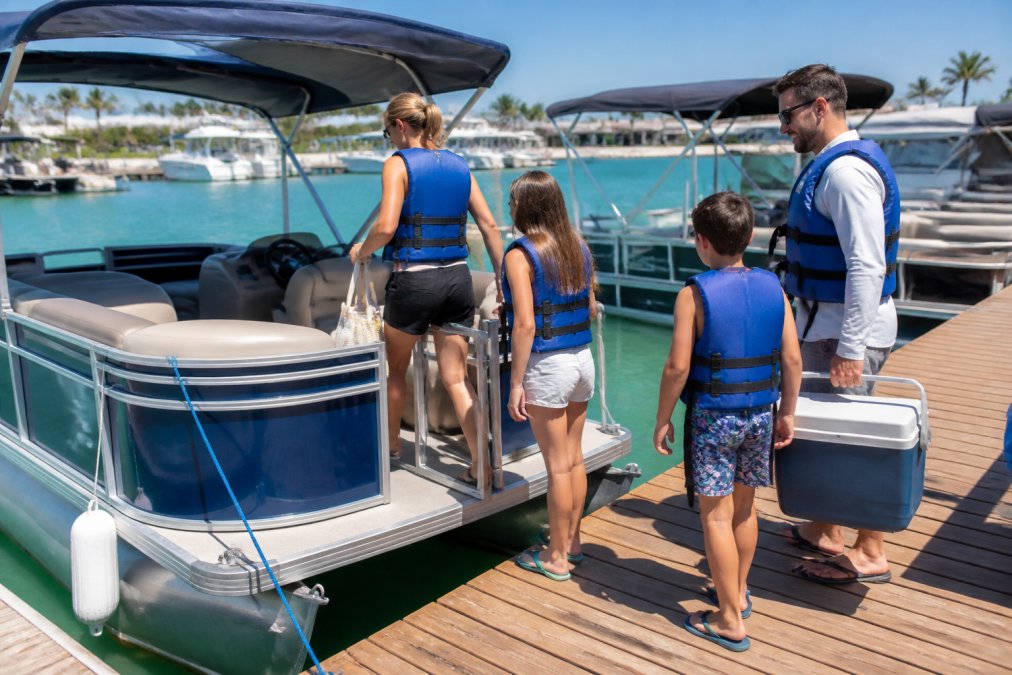
Passenger capacity directly affects which boat category you need. Most pontoon boats accommodate up to 12 passengers. Exceeding capacity is a Coast Guard violation, so providers enforce it strictly. Confirm your exact headcount before requesting a quote. Groups of nine or ten passengers with gear often need a larger vessel or a second boat. Groups of two to four often find a smaller powerboat or standard pontoon more flexible and affordable.
Hidden Costs to Expect in Any Boat Rental Quote
The biggest complaint in boat rental reviews is not the headline rate, it's the costs that appear after.
Fuel Policies and Ethanol-Free Gas Surcharges
Most Gulf Coast boat rentals do not include fuel. Marine engines require ethanol-free gas, which costs more than standard pump fuel. A full day on the water can consume significant fuel. Some providers require you to return the boat with the same fuel level you started with. Others charge a flat fuel surcharge based on estimated usage. A third model requires you to fill up at a marina before return. Ask specifically which model applies before signing.
According to U.S. Energy Information Administration fuel data, marine fuel prices fluctuate seasonally, and Gulf Coast summer prices tend to run higher than the national average.
Security Deposits, Damage Liability, and Cancellation Fees
Security deposits are standard across the Gulf Coast rental market. The deposit is typically returned after the boat is inspected on return, but the timeline varies. Damage liability clauses define what you're responsible for if the boat is damaged during your rental. Read this section carefully, some agreements cap your liability at the deposit amount; others hold you responsible for repair costs beyond it.
Cancellation fees are equally variable. Some providers waive fees if you cancel more than 48 hours in advance. Others charge a flat fee regardless of timing. Late cancellations, particularly during peak season, often forfeit the deposit entirely.
Boat Rental Insurance Requirements You Should Know
Boat rental insurance protects renters against liability for property damage, bodily injury, and vessel damage during the rental period. Some providers carry blanket policies that cover renters automatically. Others require you to purchase supplemental coverage or show proof of a personal watercraft rider on your homeowner's or renter's insurance.
Ask two questions before booking: Does your rental fee include any liability coverage? And what is your personal exposure if the vessel sustains damage?
According to Florida Fish and Wildlife Conservation Commission boating safety resources, Florida law requires all vessels to comply with federal safety equipment standards, but personal liability coverage for renters is not automatically mandated by state law.
Book your unforgettable experience today! →
Boating License Requirements on the Gulf Coast
Florida does not require a traditional boating license. However, anyone born on or after January 1, 1988 must carry a Boating Safety Education Identification Card to legally operate a motorized vessel. Some rental providers require renters to show this card before handing over the keys. Others conduct a brief on-site orientation. Confirm the requirement before your rental date, as arriving without the card can cancel your booking.
Providers may also require renters to be at least 21 years old and demonstrate prior boating experience before renting a self-drive vessel.
What to Look for in a Boat Rental Contract
A rental contract determines what you owe if something goes wrong. Review these elements before signing:
- Fuel policy: Return full, return same level, or flat surcharge?
- Security deposit amount and return timeline: When does the hold release?
- Damage liability cap: Are you capped at the deposit, or exposed to full repair costs?
- Cancellation window: How many hours before the rental must you cancel to avoid a fee?
- Passenger limit: Is the maximum clearly stated?
- Operating area restrictions: Some providers limit how far from the marina you can travel.
- Weather policy: Does the provider reschedule or refund if weather forces a cancellation?
The Federal Trade Commission guidance on consumer contracts recommends reading every clause before signing and requesting written clarification on any ambiguous term.
Planning Your On-the-Water Itinerary: Sandbars, Marine Life, and More
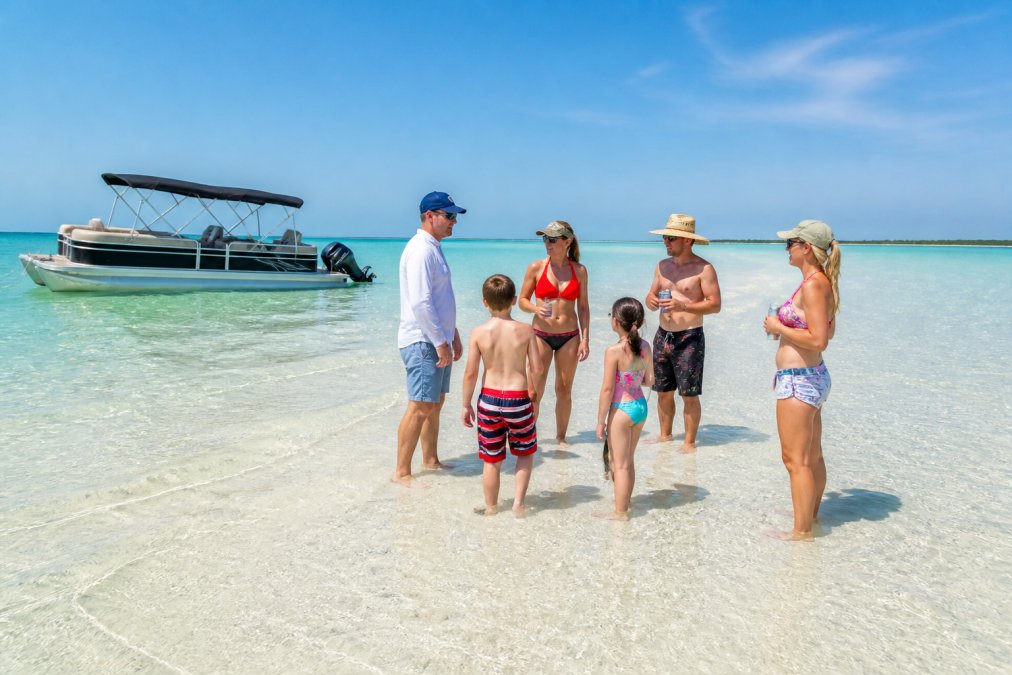
A well-planned itinerary turns a good rental into an unforgettable one. Sandbars like Jewfish Key and Bean Point attract pontoon boats throughout the day. Arrive early to secure a good spot, particularly during peak season. Egmont Key sits at the mouth of Tampa Bay and combines Gulf swimming with historic fort ruins and nesting sea turtles. The crossing takes roughly 20-30 minutes by pontoon. Check whether your rental agreement permits travel to Egmont Key before planning this leg. Dolphin watching is almost guaranteed in the channels between Anna Maria Island and the mainland. Sunset cruises are ideal for half-day afternoon rentals starting at 3 PM.
Pet and Child-Friendly Boating Tips
Children under 6 years old must wear a Coast Guard-approved life jacket at all times while on a moving vessel in Florida. Children 6 and older must have an accessible life jacket on board. Most rental providers supply life jackets in multiple sizes, but confirm this before your trip. Not all rental providers allow dogs on board. Some tritoon providers specifically advertise dog-friendly vessels with non-slip decking. Bring reef-safe sunscreen, as standard sunscreen can harm seagrass beds. Pack more water than you think you need; Gulf heat dehydrates faster than expected.
Why Transparent Boat Rental Pricing Matters When You Book
Most frustration renters experience comes not from the cost itself, but from discovering costs they weren't told about. Transparent boat rental pricing means every cost is disclosed before the reservation is confirmed: the base rental rate, the fuel policy, the deposit amount, the cancellation terms, and any applicable fees.
Little Philly Sea Adventures operates on a "no surprises" policy, surfacing all costs upfront rather than at the dock. When comparing providers, ask each one to give you a total cost estimate that includes fuel, deposit, and any fees. The providers willing to answer that question clearly are the ones worth booking.
| Cost Component | What to Ask | Red Flag |
|---|---|---|
| Base rental rate | What is the rate by duration? | Rate changes at checkout |
| Fuel policy | Included, return full, or surcharge? | "We'll figure it out after" |
| Security deposit | Amount and return timeline? | No written timeline given |
| Damage liability | Am I capped at the deposit? | Unlimited exposure clause |
| Cancellation terms | Fee and notice window? | No written policy |
| Operating area | Which destinations are permitted? | Verbal-only restrictions |
Planning a Gulf Coast boat trip is straightforward when you know what to ask. Little Philly Sea Adventures was built around removing friction: transparent pricing, clear contracts, and an easy booking process that tells you the full cost before you commit. Whether you're planning a family sandbar day, a couples sunset cruise, or a group fishing charter, get started with Little Philly Sea Adventures and know exactly what your on-the-water experience will cost before you ever step on the dock.
Frequently Asked Questions
Is a boating license required to rent a boat near Anna Maria Island?
Florida law requires anyone born on or after January 1, 1988 to carry a Boating Safety Education Identification Card to operate a motorized vessel. You can earn this card by completing an approved boating safety course through the Florida Fish and Wildlife Conservation Commission. Rental providers will verify your credentials before handing over the keys. If you don't hold a valid card, some providers offer a captained charter option so you can still enjoy the water without operating the vessel yourself.
Are fuel and insurance costs included in boat rental quotes?
Rarely. Most Anna Maria Island boat rental pricing quotes cover the vessel and basic safety equipment only. Fuel, often ethanol-free gas, which costs more than standard pump fuel, is almost always billed separately based on how much you use. Insurance coverage varies widely: some providers include basic liability in the rental fee, while others require a security deposit and hold you responsible for damage up to a set dollar amount. Always confirm both line items in writing before you pay a deposit.
What factors influence the final cost of a boat rental?
The biggest drivers are boat type, rental duration, and time of year. A standard pontoon for a half-day costs noticeably less than a luxury tritoon for a full day during peak spring-break or summer season. Beyond the base rate, fuel consumption, security deposit holds, optional captain fees, and any add-ons like water sports equipment all affect your total. Booking well in advance and choosing shoulder-season dates, late fall or early winter, typically yields the best rates for the same on-the-water experience.
Are there hidden fees to watch out for when renting a boat?
Yes, and they add up quickly. Common charges that don't appear in the headline price include fuel surcharges, cleaning fees if the vessel is returned in poor condition, late-return penalties charged by the hour, credit card processing fees, and non-refundable booking deposits if you cancel outside the window specified in the rental agreement. Ask every provider for a full written cost breakdown before booking, and read the cancellation policy carefully. A transparent 'no surprises' policy from your provider is a strong signal that the quote you see is the price you'll pay.
How do rental prices change between peak and off-season?
Peak season on the Gulf Coast generally runs from December through April, when visitors from colder climates arrive, and again in June through August for summer family travel. During these windows, daily and half-day rental rates are at their highest, and availability fills up fast. Off-season months, September, October, and November, often see lower base rates and more flexible scheduling. If your trip dates are flexible, booking in the shoulder season can reduce your total cost while still delivering excellent weather and calm water conditions.
This article was written using GrandRanker
Frequently Asked Questions
Is a boating license required to rent a boat near Anna Maria Island?
Florida law requires anyone born on or after January 1, 1988 to carry a Boating Safety Education Identification Card to operate a motorized vessel. You can earn this card by completing an approved boating safety course through the Florida Fish and Wildlife Conservation Commission. Rental providers will verify your credentials before handing over the keys. If you don't hold a valid card, some providers offer a captained charter option so you can still enjoy the water without operating the vessel yourself.
Are fuel and insurance costs included in boat rental quotes?
Rarely. Most Anna Maria Island boat rental pricing quotes cover the vessel and basic safety equipment only. Fuel — often ethanol-free gas, which costs more than standard pump fuel — is almost always billed separately based on how much you use. Insurance coverage varies widely: some providers include basic liability in the rental fee, while others require a security deposit and hold you responsible for damage up to a set dollar amount. Always confirm both line items in writing before you pay a deposit.
What factors influence the final cost of a boat rental?
The biggest drivers are boat type, rental duration, and time of year. A standard pontoon for a half-day costs noticeably less than a luxury tritoon for a full day during peak spring-break or summer season. Beyond the base rate, fuel consumption, security deposit holds, optional captain fees, and any add-ons like water sports equipment all affect your total. Booking well in advance and choosing shoulder-season dates — late fall or early winter — typically yields the best rates for the same on-the-water experience.
Are there hidden fees to watch out for when renting a boat?
Yes, and they add up quickly. Common charges that don't appear in the headline price include fuel surcharges, cleaning fees if the vessel is returned in poor condition, late-return penalties charged by the hour, credit card processing fees, and non-refundable booking deposits if you cancel outside the window specified in the rental agreement. Ask every provider for a full written cost breakdown before booking, and read the cancellation policy carefully. A transparent 'no surprises' policy from your provider is a strong signal that the quote you see is the price you'll pay.
How do rental prices change between peak and off-season?
Peak season on the Gulf Coast generally runs from December through April, when visitors from colder climates arrive, and again in June through August for summer family travel. During these windows, daily and half-day rental rates are at their highest, and availability fills up fast. Off-season months — September, October, and November — often see lower base rates and more flexible scheduling. If your trip dates are flexible, booking in the shoulder season can reduce your total cost while still delivering excellent weather and calm water conditions.