 ultimate-guide
What to Expect on a Fishing Charter: Complete Guide
Table of Contents
- What to Expect on a Fishing Charter: The First-Timer's Reality
- What to Bring on a Fishing Charter Checklist
- Understanding Your Captain and Crew
- Fishing Charter Duration Options and What Fits Your Schedule
- Fishing Techniques You'll Learn and Realistic Catch Expectations
- Fishing Charter Tipping Etiquette and Cost Transparency
- Safety Protocols, Weather Cancellations, and Physical Accessibility
- Preparing for Your First Charter: A Step-by-Step Checklist
- Frequently Asked Questions
Last Updated: September 2, 2026
What to Expect on a Fishing Charter: The First-Timer's Reality
Stepping onto a fishing charter for the first time can feel overwhelming. Questions linger: Will I actually catch anything? What if I get seasick? How much will this really cost? At Little Philly Sea Adventures, we know exactly what's running through your head.
The reality is simpler than you think. A fishing charter should prepare you for what actually happens on the water, not what you imagine. Most first-timers arrive expecting either a guaranteed trophy catch or a miserable day of seasickness and boredom. The truth sits somewhere practical in between: you'll learn real fishing techniques, work with an experienced captain and crew who genuinely want you to succeed, and come away with a clearer picture of what fishing actually involves.
This guide covers what to expect from the moment you arrive at the dock to the moment you head home. We'll walk through the gear you need, the people you'll work with, how long a typical charter lasts, what fishing techniques you'll actually use, the real costs involved, and the safety protocols that keep everyone protected.
What to Bring on a Fishing Charter Checklist
Knowing what to bring eliminates last-minute scrambling and ensures you're comfortable for the entire day.
Essential Gear and Tackle
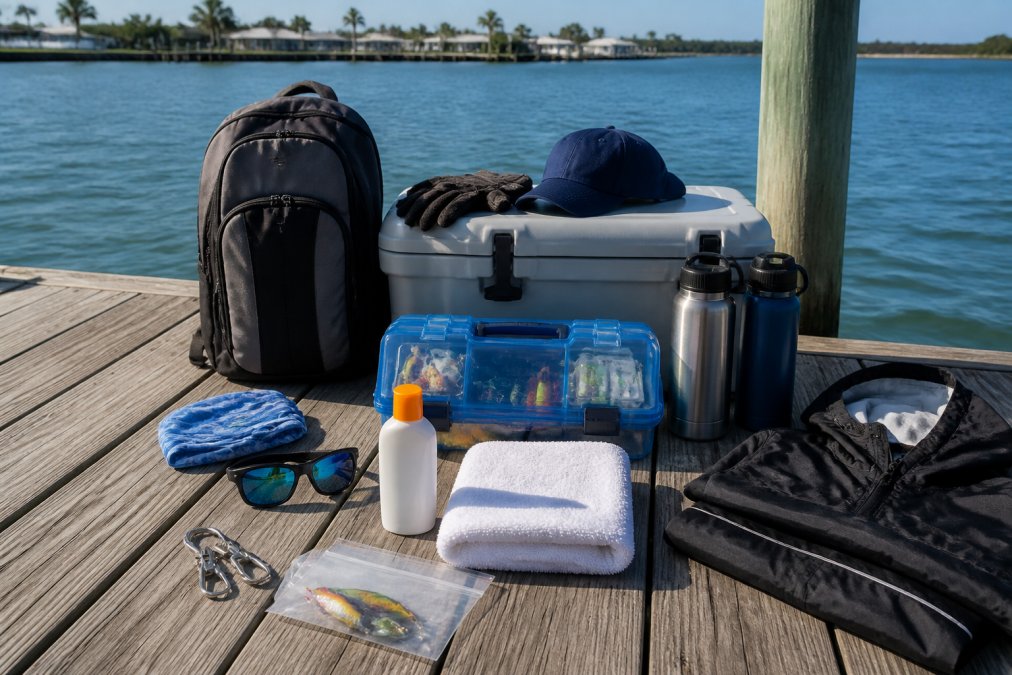
Your captain will provide the basic fishing tackle: rods, reels, and lines matched to the species you're targeting. You don't need to bring your own unless you're an experienced angler with specific preferences. Bring a small tackle box with backup hooks, sinkers, and lures if you want extras. Many anglers bring personal pliers and a fillet knife for processing the catch.
Your cooler is critical. Bring one that fits your vehicle and can hold your catch plus ice. Confirm cooler space on the boat before you arrive.
Clothing, Footwear, and Sun Protection
Dress in layers, even in warm months. Water temperature on the Gulf Coast stays mild year-round, but wind and spray create a cooling effect. Lightweight long sleeves and pants protect your skin and keep you warmer than expected.
Wear shoes with non-marking soles; the boat deck is slippery when wet. Water shoes or boat shoes grip better and won't damage the deck. Avoid flip-flops entirely.
Sun protection is non-negotiable on the water. The reflection off the ocean intensifies UV exposure. Bring polarized sunglasses to reduce glare and see fish below the surface. Apply sunscreen 15 minutes before leaving the dock and reapply every two hours (the American Academy of Dermatology). Bring a wide-brimmed hat or cap.
Food, Water, and Seasickness Prevention
Dehydration happens faster on the water than you realize. Bring at least two liters of water per person (the CDC). Eat a substantial breakfast before arriving at the dock; a full stomach reduces nausea risk.
For seasickness prevention, consider motion sickness medication before boarding. Dramamine or similar over-the-counter options work best when taken 30 minutes before departure. The most effective strategy is staying focused on the horizon and keeping your eyes on the water. Staying busy, actively fishing rather than sitting idle, also reduces nausea significantly.
Understanding Your Captain and Crew
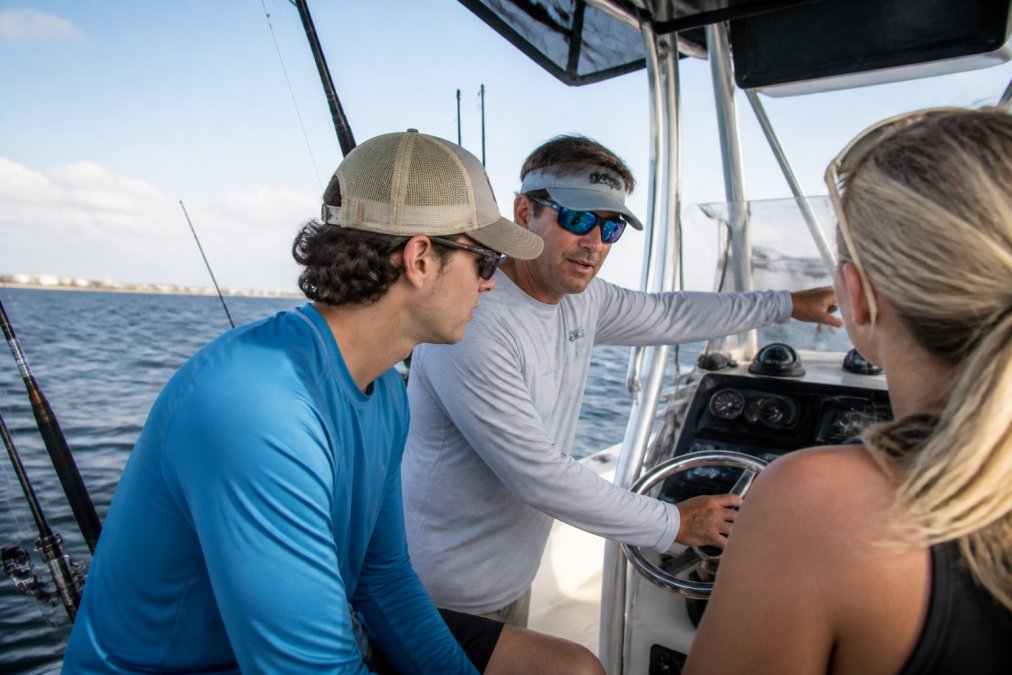
Your captain is the decision-maker for everything that happens on the water. This person has spent years learning the patterns of fish in your target area, understanding weather conditions, navigating safely, and managing groups of anglers with varying skill levels.
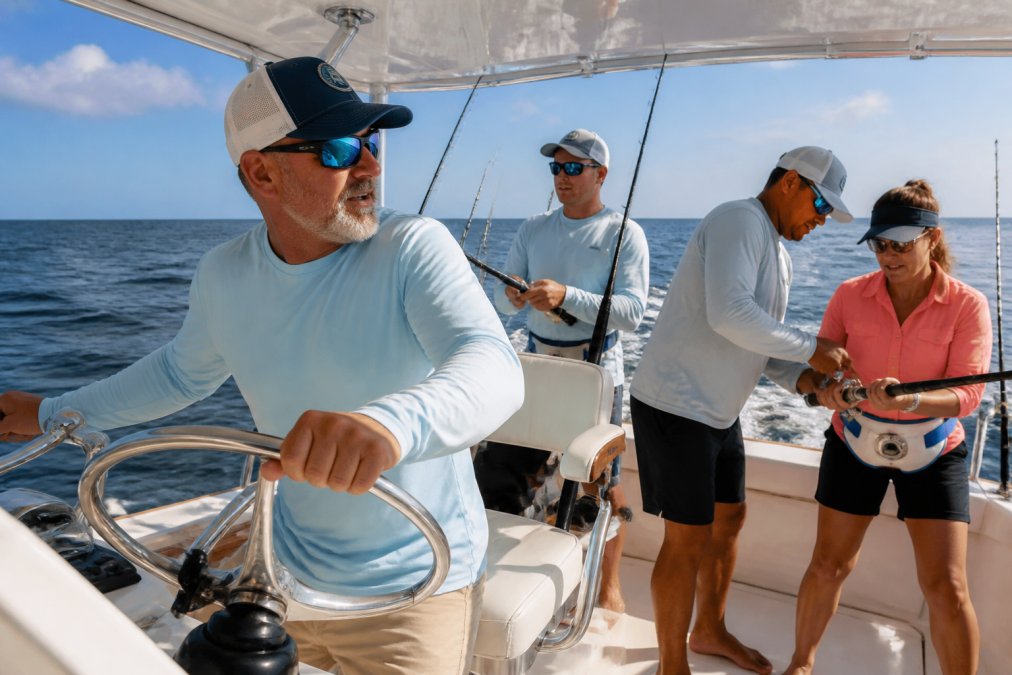
The crew typically includes a mate or two who handle lines, assist with landing fish, and help you learn proper technique. A good mate teaches without making you feel rushed or incompetent. They'll show you how to hold the rod, when to set the hook, how to reel properly, and how to fight a fish without exhausting yourself.
Your relationship with the captain and crew directly affects your experience. Experienced crews have seen every mistake and handled every situation. They know which techniques work on any given day and how to keep people safe. This is why choosing a reputable charter operator matters; crews at established operations like Little Philly Sea Adventures bring professionalism and genuine investment in your success.
The captain will brief you on safety protocols, fishing techniques for the day, and realistic expectations for the catch. Listen carefully during this briefing.
Fishing Charter Duration Options and What Fits Your Schedule
Fishing charters typically run 4, 6, 8, or 12-hour trips, with some operations offering overnight deep-sea expeditions.
A 4-hour charter suits first-timers and people with limited time. You'll spend about 30 minutes traveling to the fishing grounds, leaving roughly 3 hours of actual fishing. This timeframe works for inshore fishing targeting smaller species like redfish, snapper, or grouper.
A 6-hour charter gives you time to reach slightly deeper water and fish longer. You gain an extra 1-2 hours of fishing compared to a 4-hour trip and are more likely to land multiple fish.
An 8-hour charter is a full day. You'll travel farther, fish longer, and experience changing conditions throughout the day. This is the standard choice for serious anglers wanting maximum fishing time.
A 12-hour charter or overnight trip targets deep-sea species and requires significant commitment. These trips are designed for experienced anglers or groups committed to the full experience.
Consider your physical stamina when choosing duration. Standing and fishing for 6-8 hours is more demanding than you might expect. If you have any mobility concerns or tire easily, start with a shorter charter and build up.
Fishing Techniques You'll Learn and Realistic Catch Expectations
Your captain will teach you the primary techniques used on your charter. The most common approaches are trolling, bottom fishing, and casting.
Trolling involves moving the boat slowly while dragging lines behind it. You'll hold the rod or place it in a holder and watch for the distinctive tug when a fish strikes. This technique covers water efficiently and requires patience but minimal active effort.
Bottom fishing positions the boat over structure, reefs, wrecks, or drop-offs where fish congregate. You'll drop a weighted line to the bottom and use jigging motions to attract strikes. This technique teaches you to read what's happening below the surface through subtle vibrations in the line.
Book your unforgettable experience today! →
Casting (for inshore fishing) involves throwing your line toward structure, vegetation, or shallow water where fish hunt. This technique is the most active and engaging, requiring focus and timing.
Realistic catch expectations depend on the season, the species you're targeting, recent weather patterns, and the specific location. A good captain will tell you honestly what's realistic. On an inshore charter, you might catch 5-15 fish during a 6-8 hour trip. On an offshore or deep-sea charter targeting larger species, you might catch 3-8 fish.
What matters most: you'll catch something on a well-run charter. A reputable captain doesn't book trips when conditions are too poor to produce results. Little Philly Sea Adventures operates only when the captain believes fishing is viable.
Fishing Charter Tipping Etiquette and Cost Transparency
The standard approach is tipping the crew 15-20% of the charter cost if you had an excellent experience. If the crew went above and beyond, tip on the higher end. If the experience was merely adequate, 15% is appropriate.
Cost transparency should be non-negotiable when booking. A reputable operator explains what's included upfront: the charter fee, fuel, and any additional costs. Ask specifically about what's not included: tackle rental, fish cleaning and packaging, or cooler fees. Confirm whether you're paying per person or per boat.
Before booking, ask:
- Is the quoted price the total, or are there additional fees?
- What's included in the charter fee?
- What does fish cleaning and packaging cost, if not included?
- Are there fuel surcharges?
- What's the cancellation policy if weather forces a reschedule?
- Do you provide coolers, or should I bring one?
A transparent operator answers every question without hesitation. The "no surprises" approach that Little Philly Sea Adventures emphasizes means you know the real total before you commit.
Safety Protocols, Weather Cancellations, and Physical Accessibility
Safety on the water is non-negotiable. Before the boat leaves the dock, your captain will conduct a safety briefing covering life jacket locations, emergency procedures, and basic rules for staying safe.
Life jackets (personal flotation devices) are mandatory on all charter boats. Federal law requires them, and a professional captain enforces this without exception. Wear yours properly throughout the trip.
Weather cancellations happen, and understanding the policy prevents disappointment. A responsible captain cancels or postpones if conditions deteriorate beyond safe operating limits. Most operators offer rescheduling options or refunds for weather cancellations.
Physical accessibility varies by boat. If you have mobility concerns or need accessible facilities, discuss this with the operator when booking. A professional charter service like Little Philly Sea Adventures can explain what accommodations are available.
While not dangerous, severe nausea can make you miserable. Medication taken before departure works better than waiting until you're already sick. Staying focused on the horizon, eating a good breakfast, and staying hydrated all reduce seasickness risk.
Preparing for Your First Charter: A Step-by-Step Checklist
4-6 weeks before:
- Research charter operators and read reviews from multiple sources
- Book with a reputable operator that emphasizes transparency and safety
- Confirm the charter date, time, and duration
- Ask about what's included and what costs extra
2 weeks before:
- Check the weather forecast
- Confirm your physical comfort level with standing and fishing for your chosen duration
- If you have motion sickness concerns, consult a doctor about medication options
- Arrange transportation to the dock
1 week before:
- Purchase or gather gear: sunscreen, polarized sunglasses, hat, water shoes, cooler
- Confirm food and water supplies
- Check that your clothing layers are appropriate for the season
- Confirm the exact time you need to arrive at the dock (usually 30-60 minutes before departure)
Day before:
- Pack your cooler with ice
- Lay out your clothing and gear
- Get a full night's sleep
Morning of the charter:
- Eat a substantial breakfast 1-2 hours before departure
- Take motion sickness medication if using it (30 minutes before boarding)
- Apply sunscreen
- Arrive at the dock 30-45 minutes early
- Listen carefully to the safety briefing
On the water:
- Ask questions if you're unsure about technique
- Stay hydrated and snack regularly
- Wear your life jacket throughout the trip
- Keep your eyes on the horizon if you feel queasy
- Focus on learning rather than worrying about the catch
Your first fishing charter expectations should center on learning and experiencing the Gulf Coast marine environment with professional guidance. At Little Philly Sea Adventures, we've built our reputation on transparent communication, experienced crews, and a genuine commitment to your safety and enjoyment. When you book with us, you're not paying for a guaranteed trophy catch; you're paying for expertise, professional equipment, and an experienced team that knows how to make your day on the water count. The National Oceanic and Atmospheric Administration provides guidance on fishing regulations and marine safety to ensure all charters operate within legal requirements. Book your unforgettable experience today and discover why first-timers return as regulars.
Frequently Asked Questions
How much should I tip on a fishing charter?
Tipping your captain and crew is standard practice on fishing charters. Most anglers tip 15-20% of the charter cost, though this varies based on the quality of service, whether fish were caught, and your overall satisfaction. Ask your charter operator about their tipping policy when you book, transparency about expectations prevents awkward moments on the water. Remember, your tip reflects the captain's expertise and the crew's effort to help you succeed.
What should I bring on a fishing charter?
Pack sunscreen (SPF 30+), polarized sunglasses, a hat, non-marking sole shoes, light layers, and rain gear. Bring plenty of water and snacks to prevent dehydration. If you're prone to seasickness, take medication before departure. Most charters provide tackle, bait, and basic safety equipment, but confirm this when booking. A small cooler for your catch, a towel, and seasickness remedies round out the essentials. Check with your charter operator for any specific items they recommend based on the type of fishing and current conditions.
What fishing techniques will I learn on a charter?
Your captain will teach you techniques suited to the target species and location. Common Gulf Coast methods include trolling for offshore species, bottom fishing for inshore catches, and casting with lures. The captain handles navigation and positioning while you focus on casting, reeling, and setting the hook. First-time anglers receive hands-on instruction, your captain's job is partly to help you catch fish. You'll learn to read the water, understand bag limits, and practice catch-and-release if applicable. Most captains adapt their teaching to your skill level.
What happens if weather cancels my fishing charter?
Charter operators monitor weather closely and may reschedule or cancel for safety reasons. Most reputable operators have clear cancellation policies that allow rebooking on another date or a full refund if conditions are unsafe. Weather decisions typically happen the morning of your charter or the night before. Confirm your operator's specific policy when booking. Safety on the water is the priority, a cancelled charter due to rough conditions beats a risky outing. Little Philly Sea Adventures prioritizes your safety and transparency, so discuss weather contingencies upfront.
This article was written using GrandRanker