 ultimate-guide
Fishing Charters for Beginners: A 2026 Guide
Table of Contents
- Why Fishing Charters Are Perfect for Beginners
- What to Expect on a First Fishing Charter
- Inshore vs. Offshore Fishing for Beginners
- Target Species and Techniques for Novice Anglers
- Fishing Charter Etiquette and Tipping
- Preparing for Your First Charter: Gear and Logistics
- Choosing the Right Charter for Your Group
- Conclusion
Last Updated: August 28, 2026
Why Fishing Charters Are Perfect for Beginners
Fishing charters remove the biggest barrier to getting started: uncertainty. You don't need to own equipment, understand tide charts, or spend months learning technique. A professional captain handles all of that. What you get instead is a guided experience where everything is provided, explained, and simplified.
When you book a charter, you're paying for knowledge accumulated over years or decades. The captain knows which species are biting this week, where they congregate, what bait works now, and how to read conditions beginners can't see. This transforms a fishing trip from a gamble into a genuine learning experience where you'll catch fish and understand why.
At Little Philly Sea Adventures, we are dedicated to providing unforgettable water experiences. A good charter removes friction and builds confidence. You'll learn more in one day on a professional boat than you would in weeks of trial-and-error on your own.
What to Expect on a First Fishing Charter
A typical day starts 30 to 60 minutes before sunrise (noaa.gov). You'll meet your captain and first mate at the dock for a brief on the day's plan: target species, location, expected conditions, and safety procedures.
The Captain and Crew
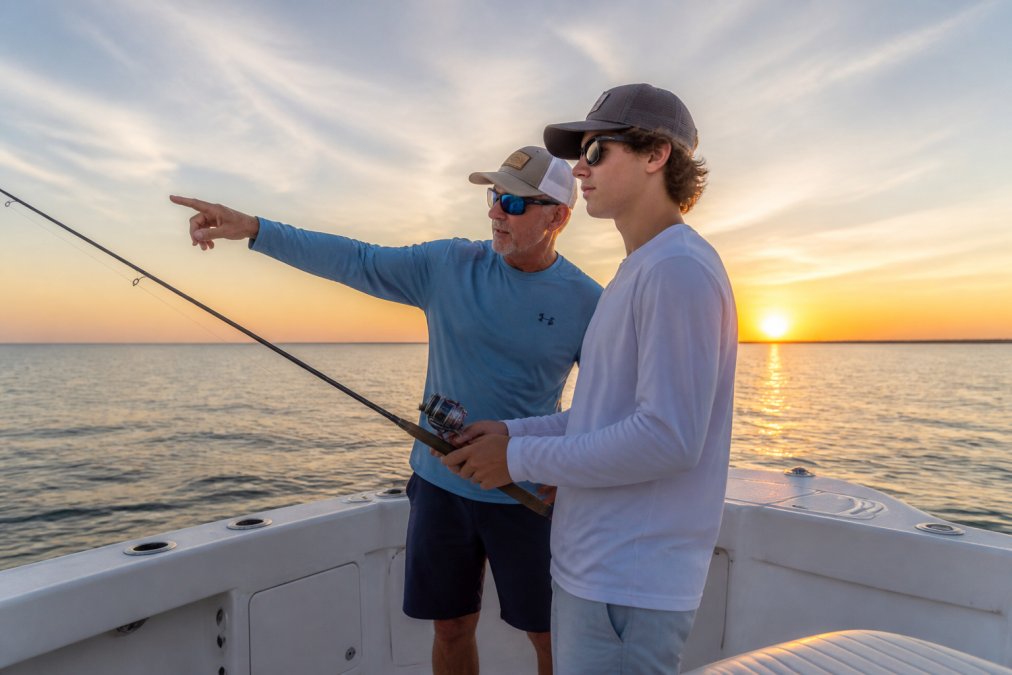
The captain is responsible for navigation, safety, finding fish, and teaching you how to catch them. A good captain reads water conditions, adjusts strategy in real time, and explains decisions so you understand the reasoning. They're patient with beginners.
The first mate handles logistics: baiting hooks, untangling lines, netting fish, and keeping the boat running smoothly. They're also a secondary source of instruction and ensure everyone gets attention.
Equipment and Tackle Provided
You won't need to bring fishing rods, reels, tackle boxes, or bait. Everything is on the boat, maintained and ready. The captain selects tackle appropriate for the target species and conditions. Professional charters use equipment built for durability and performance. A quality reel casts smoothly, a good rod has sensitivity that helps you feel what's happening underwater, and sharp hooks set properly. Fishing becomes less frustrating and more rewarding when the gear works.
Handling Seasickness
Most people don't get seasick. Of those who do, it's usually mild and manageable. Take medication before you board, eat a light breakfast, stay on deck in fresh air, keep your eyes on the horizon, and avoid reading or looking at your phone.
The boat's motion is gentler in calm conditions. Inshore charters in protected bays experience minimal motion. Offshore trips in open Gulf waters have more movement. If you're concerned about motion, book an inshore trip for your first charter. You'll still catch fish and avoid the motion variables that trigger nausea.
Inshore vs. Offshore Fishing for Beginners
The choice between inshore and offshore fishing shapes your entire experience. Both are legitimate options for beginners, but they offer different conditions, target species, and learning curves.
Inshore Fishing: Calmer Waters and Easier Learning
Inshore fishing happens in bays, estuaries, and shallow Gulf waters, typically within a few miles of shore (noaa.gov). Water depth ranges from a few feet to 30 or 40 feet. Conditions are calmer, the boat moves slower, and you spend less time traveling to fishing grounds.
Target species include redfish, spotted seatrout, flounder, and mackerel. These fish are aggressive, willing to strike, and forgiving of imperfect technique. Redfish are ideal for beginners: they're strong enough to feel exciting on the line, but not so powerful that they exhaust you. The learning environment is better with calmer water, steadier footing, and easier focus on what the captain is teaching. Inshore trips typically cost less and take less time, making them accessible for families and groups with limited budgets.
For your first fishing charter, inshore is the smart choice.
Offshore Fishing: Adventure and Larger Catches
Offshore fishing means heading into open Gulf waters, typically 20 to 100 miles from shore. Water depths range from 50 to 200+ feet. Conditions are rougher, the boat ride is longer, and the experience is more intense.
Target species include grouper, snapper, king mackerel, and other deep-water fish. These are larger, stronger, and more challenging to land. The fight is real and rewarding for anglers seeking adventure. The tradeoff is motion and time. Offshore trips require longer boat rides, rougher water, and more exposure to seasickness risk. They also cost more and demand more physical stamina.
Save offshore fishing for your second or third charter, after you've built confidence and sea legs.
Target Species and Techniques for Novice Anglers
Understanding what you're fishing for and how to catch it removes mystery and builds confidence.
Common Species You'll Encounter
Redfish are the beginner's ideal target. They're abundant, aggressive, and forgiving. A redfish will hit a variety of baits and lures. The fight is strong but manageable. They're also delicious, so you'll feel good about keeping your catch.
Spotted seatrout are similar to redfish. They're willing strikers, fun to fight, and good eating. Seatrout are slightly more finicky about presentation than redfish, but still beginner-friendly.
Flounder are bottom-feeders that live on sandy or muddy flats. Flounder fishing is a waiting game that teaches patience and feel. When a flounder hits, the bite is solid and unmistakable.
Mackerel are fast, aggressive, and fun. They hit hard and fight with energy. Mackerel fishing teaches you to recognize aggressive strikes and react quickly.
Grouper and snapper are offshore targets. They live on structure, reefs, wrecks, and hard bottom in deeper water. Grouper and snapper fishing involves dropping bait to the bottom and working the rod to set the hook. It's more technical than inshore fishing, but still accessible to beginners on a guided charter.
Basic Fishing Techniques Explained
Bottom fishing is the simplest technique. You cast or drop your line to the bottom, wait for a fish to bite, and reel it in. The captain tells you when to cast and when to set the hook. Bottom fishing requires minimal casting skill; patience and attention are the main requirements.
Live bait fishing involves casting a live baitfish and letting it swim naturally. Fish chase the bait, strike, and you set the hook by reeling and raising the rod. Live bait fishing is intuitive. After a few casts, it becomes automatic.
Lure fishing uses artificial baits that mimic baitfish. You cast the lure and retrieve it with a specific motion: steady reeling, jerking, pausing, or a combination. Lure fishing requires more technique than live bait, but it's more active and engaging.
Trolling involves dragging lures or bait behind a moving boat. You hold the rod and wait for a strike. Trolling is the most passive technique; the boat and captain do most of the work.
Fishing Charter Etiquette and Tipping
Arrive on time. Charter boats leave at a specific time. Arriving 15 minutes early gives you time to settle in.
Book your unforgettable experience today! →
Follow the captain's instructions. The captain is in charge of safety and strategy. When they say cast, cast. When they say move, move.
Keep your lines clear. If you're not actively fishing, reel in your line. Tangled lines between anglers create chaos.
On a shared charter with multiple anglers, take turns. The captain manages rotation, but cooperation makes it smoother.
Tipping is customary. The standard is 15 to 20 percent of the charter cost, divided between the captain and first mate. If the crew went above and beyond, tip generously.
Preparing for Your First Charter: Gear and Logistics
What to Bring and Wear
Wear clothes you don't mind getting wet and dirty. Fishing involves bait, saltwater, and fish blood. Old jeans and a t-shirt are fine. Avoid cotton if possible; moisture-wicking synthetic or wool keeps you comfortable.
Bring a light jacket or hoodie. Even in warm weather, the ocean breeze creates a chill, especially early in the morning.
Wear non-slip shoes with good grip. Water shoes, boat shoes, or sneakers with rubber soles work well.
Bring sunscreen and apply it before you board. Reapply every two hours. Bring sunglasses with polarized lenses to cut glare and help you see fish below the surface.
Bring water and snacks to stay hydrated and fueled. Bring a camera or phone if you want photos. Don't bring valuables; wallets, phones, and jewelry are at risk on a boat.
Booking and Understanding Costs
Fishing charter pricing depends on trip length, boat size, target species, and whether it's a shared or private charter. Little Philly Sea Adventures offers transparency on pricing with no hidden fees.
Half-day inshore charters are an accessible entry point, running 4 to 5 hours and targeting species like redfish and seatrout. Full-day inshore charters extend to 8 hours and give you more fishing time and more opportunities to learn. Offshore charters run longer, typically 8 to 10 hours.
Shared charters split costs among multiple anglers. Private charters cost more but give you exclusive access to the boat and captain's attention.
When you contact Little Philly Sea Adventures for a quote, ask what's included: rods, reels, tackle, bait, ice, and fish cleaning. Ask about payment terms, cancellation policy, and what species are biting this week.
Choosing the Right Charter for Your Group
Half-Day vs. Full-Day Trips
Half-day trips run 4 to 5 hours of fishing time (noaa.gov). You'll have enough time to learn basics, catch fish, and enjoy the experience without exhaustion. Half-day trips work well for families with young children, groups with limited time, or first-timers testing whether fishing is for them. They're also less expensive and less demanding physically.
Full-day trips extend to 8 hours or more. You'll fish through more tides and conditions, experience more variety, and have more opportunities to practice and improve. For your first fishing charter, a half-day inshore trip is ideal.
Private vs. Shared Charters
Shared charters put you on a boat with other anglers. The captain manages multiple people and ensures everyone gets attention. Shared charters are cheaper and create opportunities to meet other fishing enthusiasts.
Private charters give you and your group exclusive access to the boat and captain. The captain focuses entirely on your group's needs and preferences. Private charters cost more but offer flexibility, personalized instruction, and no competition for the captain's attention.
Family-Friendly and Accessibility Considerations
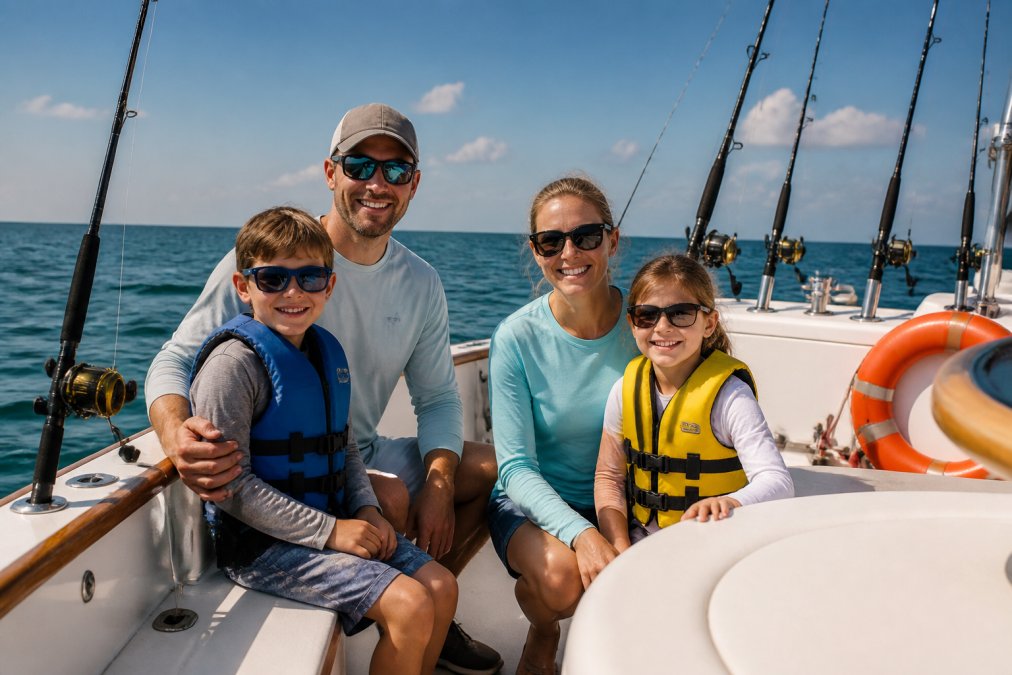
Fishing charters can accommodate families with children. Many captains specialize in family trips and adjust the pace for young anglers. Ask about age limits, shaded areas for breaks, and whether the boat has smaller rods for children.
Physical accessibility matters. Boarding a boat requires climbing, balance, and the ability to stand for extended periods. Ask the captain about accessibility features: ramps, railings, seating options, and whether the boat can accommodate mobility devices or physical limitations.
Seasickness is a legitimate concern. If you're prone to motion sickness, book an inshore trip in protected water rather than offshore. Medication, eating light, staying on deck, and watching the horizon all help.
Booking a fishing charter is one of the best decisions you can make as a beginner angler. You'll catch fish, learn technique, and experience the Gulf Coast in a way that builds genuine confidence. Little Philly Sea Adventures specializes in creating transparent, no-surprise experiences where beginners become comfortable anglers. Reach out, ask questions about our inshore and offshore options, and book your unforgettable experience today. The Gulf is waiting.
Frequently Asked Questions
Q: Are fishing charters good for beginners?
A: Yes. Fishing charters are ideal for beginners because the captain and crew handle navigation, safety, and tackle setup while teaching you techniques. You don't need prior experience or a fishing license on a chartered boat, the captain holds the federal permit. The crew focuses on helping you catch fish, making the experience both educational and successful even on your first trip.
Q: What should beginners bring on a fishing charter?
A: Pack sunscreen, a hat, polarized sunglasses, and water or electrolyte drinks. Wear non-slip shoes and layers you can remove if the weather warms. Most charters provide fishing rods, tackle, and bait, so you don't need your own equipment. Bring a camera to capture your catch. Check with your charter operator about what's included before departure to avoid surprises.
Q: How much should I tip for a fishing charter?
A: Standard tipping for fishing charters ranges from 15% to 20% of the total trip cost, split between the captain and crew. If the crew provided exceptional service, helped you land fish, or went above and beyond, tipping at the higher end shows appreciation. Some charters include gratuity in the final bill, so confirm the policy when booking. Cash tips are often preferred and ensure your crew receives the full amount.
Q: What fish are commonly caught near Holmes Beach?
A: Inshore waters near Holmes Beach typically yield flounder, mackerel, grouper, and snapper. Nearshore trips often target larger grouper and snapper species. The specific catch depends on the season and water conditions. Tarpon and permit are also present seasonally. Your charter captain will know current conditions and adjust your fishing location and techniques to maximize your chances of success based on what's biting that day.
Q: Do I need a fishing license for a charter boat?
A: No. When you fish on a licensed charter boat in federal waters, you don't need an individual fishing license because the captain's federal permit covers all passengers. However, if you plan to fish in state waters or from shore separately, you'll need a fishing license. Confirm with your charter operator which waters you'll fish and whether a separate license applies to your specific trip.
Q: What's the difference between inshore and offshore fishing for beginners?
A: Inshore fishing occurs in shallow, calm waters near the coast and is gentler on your body, ideal if you're prone to seasickness. You'll catch smaller but more frequent fish. Offshore fishing ventures into deeper waters, offering larger catches like grouper and snapper but with more boat motion. Beginners often start inshore to build confidence and technique before progressing to offshore adventures.
This article was written using GrandRanker
Frequently Asked Questions
Q: Are fishing charters good for beginners?
A: Yes. Fishing charters are ideal for beginners because the captain and crew handle navigation, safety, and tackle setup while teaching you techniques. You don't need prior experience or a fishing license on a chartered boat—the captain holds the federal permit. The crew focuses on helping you catch fish, making the experience both educational and successful even on your first trip.
Q: What should beginners bring on a fishing charter?
A: Pack sunscreen, a hat, polarized sunglasses, and water or electrolyte drinks. Wear non-slip shoes and layers you can remove if the weather warms. Most charters provide fishing rods, tackle, and bait, so you don't need your own equipment. Bring a camera to capture your catch. Check with your charter operator about what's included before departure to avoid surprises.
Q: How much should I tip for a fishing charter?
A: Standard tipping for fishing charters ranges from 15% to 20% of the total trip cost, split between the captain and crew. If the crew provided exceptional service, helped you land fish, or went above and beyond, tipping at the higher end shows appreciation. Some charters include gratuity in the final bill, so confirm the policy when booking. Cash tips are often preferred and ensure your crew receives the full amount.
Q: What fish are commonly caught near Holmes Beach?
A: Inshore waters near Holmes Beach typically yield flounder, mackerel, grouper, and snapper. Nearshore trips often target larger grouper and snapper species. The specific catch depends on the season and water conditions. Tarpon and permit are also present seasonally. Your charter captain will know current conditions and adjust your fishing location and techniques to maximize your chances of success based on what's biting that day.
Q: Do I need a fishing license for a charter boat?
A: No. When you fish on a licensed charter boat in federal waters, you don't need an individual fishing license because the captain's federal permit covers all passengers. However, if you plan to fish in state waters or from shore separately, you'll need a fishing license. Confirm with your charter operator which waters you'll fish and whether a separate license applies to your specific trip.
Q: What's the difference between inshore and offshore fishing for beginners?
A: Inshore fishing occurs in shallow, calm waters near the coast and is gentler on your body—ideal if you're prone to seasickness. You'll catch smaller but more frequent fish. Offshore fishing ventures into deeper waters, offering larger catches like grouper and snapper but with more boat motion. Beginners often start inshore to build confidence and technique before progressing to offshore adventures.