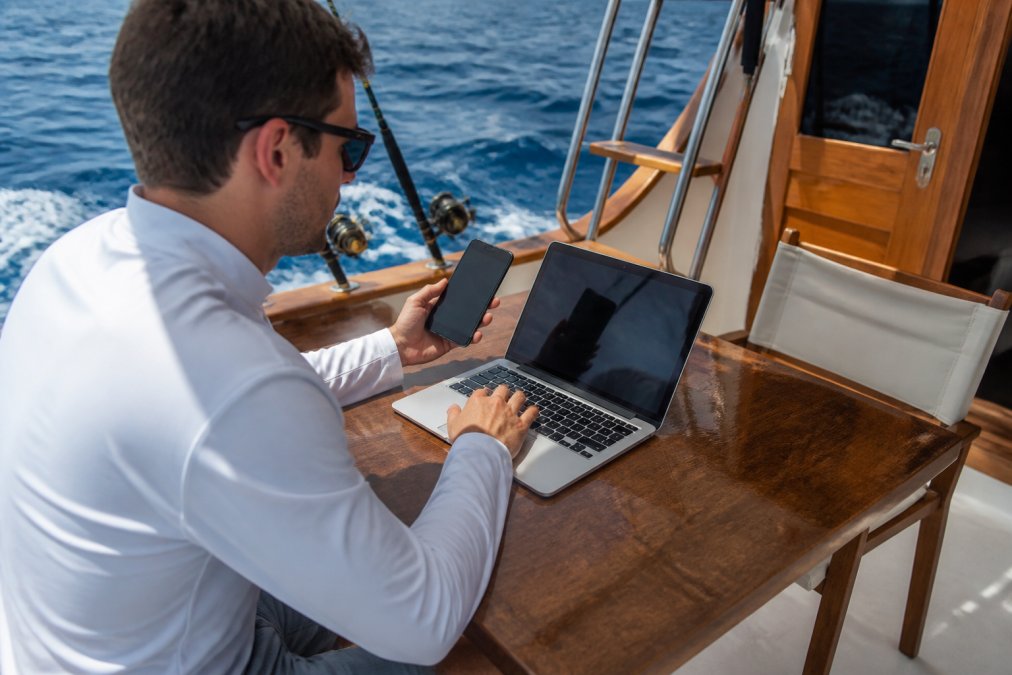
 how-to
How to Book a Fishing Charter Online: A Step-by-Step Guide
Table of Contents
- Understanding Your Fishing Charter Options
- How to Search for and Find Fishing Charters Online
- Best Anna Maria Island Fishing Charters: What to Look For
- Verifying Captain Credentials and Safety Standards
- Reading Reviews and Evaluating Customer Feedback
- Understanding Costs and Hidden Fees Before You Book
- Fishing Charter Cancellation Policy and Deposit Terms
- Essential Questions to Ask Your Charter Captain
Last Updated: August 23, 2026
Understanding Your Fishing Charter Options
A fishing charter is a guided boat trip where a professional captain and crew take you fishing in their vessel, handling navigation, safety, and often providing equipment and expertise. The experience ranges from calm inshore trips in shallow bays to deep-sea adventures miles offshore, depending on what fish species you want to catch, how much time you have, and your skill level.
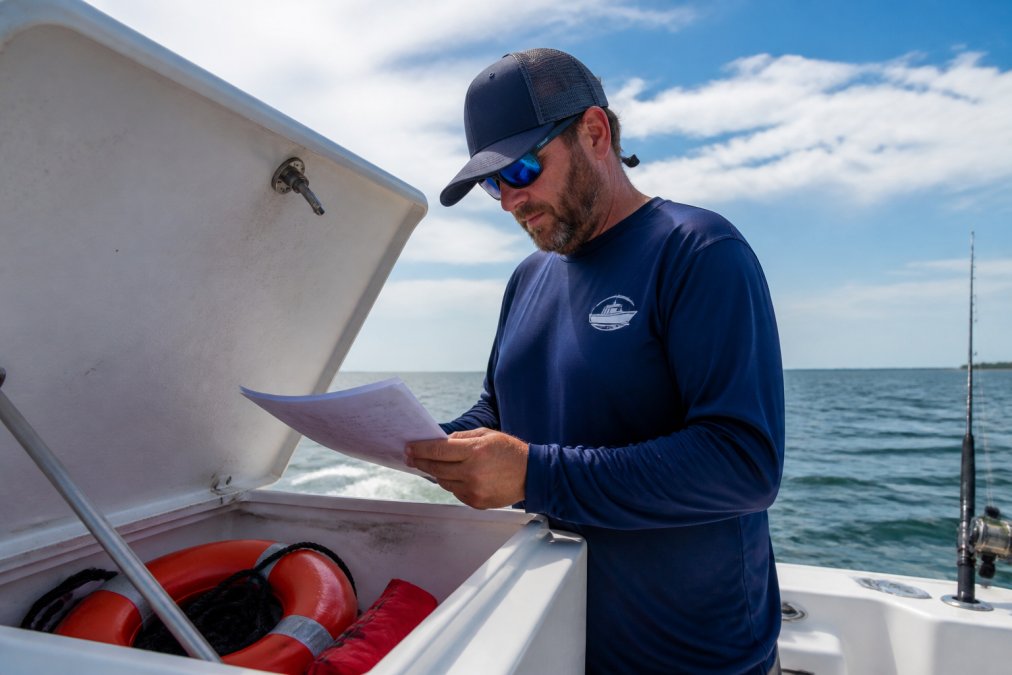
Some people want a leisurely half-day trip targeting redfish in quiet waters. Others book full-day offshore expeditions chasing grouper and snapper. The choice affects which captain you'll work with, what boat you'll fish from, and ultimately whether you'll have the experience you're hoping for. Understanding the main categories upfront saves hours of wasted searching and prevents booking the wrong trip.
How to Search for and Find Fishing Charters Online
Finding the right fishing charter online requires identifying what type of charter matches your needs: inshore, offshore, or a hybrid. Inshore trips typically last 4-6 hours and cost less because they're closer to shore. Offshore charters run 8-12 hours and venture into deeper water where larger fish live.
Search for "fishing charters" plus your specific location. Local operators know the water, seasonal fish patterns, and the best fishing spots. Many charter captains maintain their own websites where you can see their boats, read about their experience, and check availability directly.
Direct Booking vs. Third-Party Platforms
Direct booking means contacting a captain through their website and booking personally. You communicate directly with the person running the boat, ask specific questions, and build a relationship before stepping aboard. This gives you control and transparency.
Third-party platforms like major booking aggregators list multiple charters, standardize pricing, and handle payments. You can compare dozens of boats in minutes and book instantly. The trade-off is that you're one step removed from the captain, and questions get answered through the platform rather than directly.
Many experienced anglers prefer direct booking for detailed conversations about the captain's fishing style and approach. Families often prefer third-party platforms for simplicity and built-in protection. There's no universally "better" choice; it depends on whether you value direct communication or convenience more.
Best Fishing Charters: What to Look For
When evaluating fishing charters, focus on four concrete factors: captain credentials, boat condition, customer feedback, and transparent pricing.
The captain is everything. A licensed, experienced captain who knows the water and communicates well transforms a mediocre day into an unforgettable one. Look for captains with Coast Guard certification, which indicates they've met safety standards and training requirements. Ask how long they've been operating and whether they specialize in the type of fishing you want to do.
The boat itself matters for comfort and safety. You want a vessel that's well-maintained, equipped with modern navigation and safety equipment, and sized appropriately for your group.
Customer reviews reveal patterns you can't see from marketing materials. Read reviews specifically for what people say about whether they caught fish, how the captain treated beginners, and whether the final cost matched what was quoted upfront. Three reviews saying "we paid $500 extra for fuel we didn't expect" is a pattern worth avoiding.
Transparent pricing means the charter tells you the total cost upfront, including fuel surcharges, gratuity expectations, and any additional fees. If a charter won't quote you a complete price before you commit, that's a red flag.
Verifying Captain Credentials and Safety Standards
Before you book, verify that your captain holds proper credentials. The primary credential to look for is Coast Guard certification, which means the captain has passed training and safety requirements set by the U.S. Coast Guard (uscg.gov). This certification is a legal requirement for commercial fishing charters. If a charter operator claims to be operating commercially but can't show Coast Guard certification, do not book with them.
Ask the captain directly about their certification and how long they've held it. Legitimate captains are proud of their credentials and will answer immediately. Request to see documentation if you're booking through a platform that doesn't display it.
Beyond Coast Guard certification, ask about their fishing license, insurance, and years of operation. A captain with 20 years of clean operation is a lower-risk choice than one with 2 years.
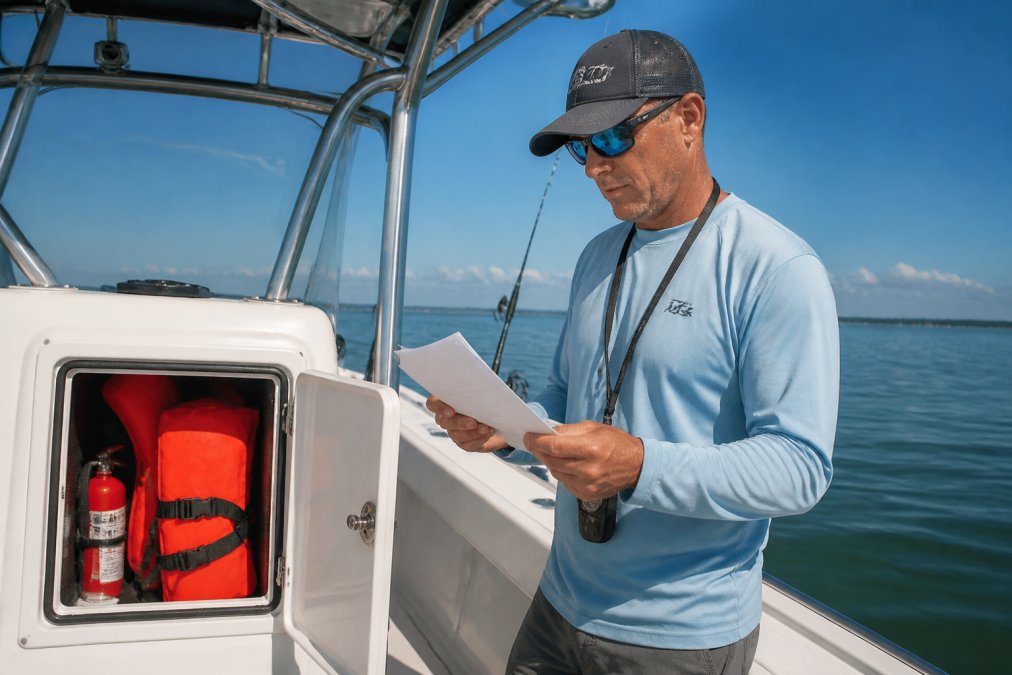
Safety equipment is another verification point. The boat should have working life jackets for every person aboard, a first aid kit, fire extinguishers, and emergency communication equipment (uscg.gov). When you arrive at the dock, these should be visible and accessible. If the captain seems annoyed by safety questions, that's a warning sign.
Reading Reviews and Evaluating Customer Feedback
Customer reviews are your window into what actually happens on the boat. When reading reviews, look for specific details, not just star ratings. A five-star review that says "best day ever" is less useful than one that explains what made it special: "Captain Mike knew exactly where the redfish were, helped my 10-year-old land three fish, and made the whole day educational."
Pay attention to patterns across multiple reviews. If one person complains about being overcharged, that could be a misunderstanding. If five people mention unexpected fuel charges, that's a business practice. Look for reviews on multiple platforms to get a fuller picture than relying on one source.
Be skeptical of reviews that sound generic or like marketing copy. "We caught 12 redfish in 6 hours, the captain taught my kids proper casting technique, and we were back by noon as promised" tells you what to expect.
Understanding Costs and Hidden Fees Before You Book
The total cost of a fishing charter includes more than the base price. The base charter price covers the boat, the captain, and typically some equipment. Ask explicitly what's included: rods and reels, tackle, live bait, ice, and fish cleaning.
Fuel surcharges are common, especially for offshore trips. Ask whether fuel is included in the quoted price or added separately. A transparent charter will tell you upfront.
Gratuity expectations vary. Many charters expect a 15-20% tip for the crew, similar to restaurant dining. Ask directly: "Is gratuity included in the price, or should I plan to tip separately?"
Book your unforgettable experience today! →
Fishing license requirements depend on your location and whether you're keeping fish. Confirm who's responsible for the license before you book.
Cancellation fees and deposits are crucial to understand. Most charters require a deposit to hold your date, typically 25-50% of the total cost. Know the cancellation policy: Can you get your deposit back if you cancel? How far in advance must you cancel? What happens if the weather is bad?
Fishing Charter Cancellation Policy and Deposit Terms
Before you hand over money, understand the cancellation policy completely. A fishing charter cancellation policy outlines what happens if you need to cancel, what happens if the charter cancels, and under what conditions refunds are issued.
Most charters require a non-refundable deposit to secure your date, typically 25-50% of the total charter cost (the FTC). Some charters offer more flexible terms if you book further in advance.
Weather cancellations are the most common dispute point. Ask: If weather makes it unsafe to fish, does the charter reschedule you for free, or do you lose your deposit? Reputable charters will reschedule you or refund your deposit if they cancel due to weather.
Mechanical failures are another scenario. If the boat breaks down the morning of your trip, a good charter will reschedule you on the next available date or refund your money.
Personal emergencies happen. If someone in your group gets sick or a family emergency comes up, can you reschedule? Some charters offer one free reschedule within a certain timeframe. Know your options before you book.
Before you book any charter, get the cancellation policy in writing and confirm you understand it completely. If the captain won't provide this in writing, or if the terms are vague, that's a red flag.
Essential Questions to Ask Your Charter Captain
Once you've narrowed down your options, contact the captain directly and ask these questions. The quality of their answers tells you a lot about how they run their operation.
"What fish are we targeting, and what's realistic to catch today?" A good captain will be honest about seasonal patterns and current conditions. If they promise the same results regardless of conditions or your experience, they're overselling.
"What should I bring, and what do you provide?" You want to know whether to bring sunscreen, a hat, water, snacks, or a cooler. A detailed answer means they think about guest comfort.
"How do you handle beginners?" If anyone in your group has never fished before, ask how the captain teaches casting and whether they're patient with questions. Some captains love working with beginners and make it educational.
"What's your cancellation and rescheduling policy?" Get them to explain it in their own words. If they hesitate or give you a vague answer, ask them to send it to you in writing.
"Have you fished with groups like ours before?" If you're bringing kids, ask if they've guided families. A captain who specializes in your type of group will deliver a better experience.
"What's the weather forecast, and how will it affect our trip?" Ask this a few days before your scheduled date. A captain who prioritizes safety over revenue is one you can trust.
"What happens if we don't catch many fish?" A good answer sounds like: "We'll work hard to find them, adjust our locations if needed, and if it's truly slow, we'll focus on teaching you technique and enjoying the day."
Booking a fishing charter online is straightforward once you understand what to look for. Focus on captain credentials, transparent pricing, and honest customer reviews. Ask detailed questions before you commit. Verify cancellation terms in writing. These steps take an hour or two upfront but prevent frustration and wasted money later.
When you're ready to book, Little Philly Sea Adventures offers the transparent, no-surprises approach that eliminates the guesswork. Our captains are Coast Guard certified, our pricing is complete upfront, and our commitment to clear communication means you know exactly what to expect before you step on the boat. Book your unforgettable experience today and discover why families, couples, and anglers trust us for their Gulf Coast adventures.
Frequently Asked Questions
What should I look for when booking a fishing charter online?
Verify the captain holds a valid Coast Guard license and the boat meets safety standards. Check verified customer reviews for catch success and professionalism. Confirm the cancellation policy and whether all costs (fuel, taxes, tackle) are included upfront. Ask about the captain's experience with your skill level and target fish species. Read the booking confirmation carefully to avoid surprises.
What is a typical fishing charter cancellation policy?
Most fishing charters require a deposit to secure your reservation, with cancellation policies varying by operator. Common terms include full refund if you cancel 7-14 days in advance, partial refund for shorter notice, and no refund within 48 hours. Weather-related cancellations typically receive a full refund or rescheduling option. Always review the specific cancellation policy before paying your deposit and confirm whether it covers weather, mechanical issues, or personal emergencies.
What should I bring on a fishing charter to be fully prepared?
Pack sunscreen (SPF 30+), a wide-brimmed hat, polarized sunglasses, and a light jacket for wind protection. Bring plenty of water and snacks. Wear non-slip shoes and comfortable clothing you don't mind getting wet. Your valid fishing license is essential. Most charters provide rods, tackle, and safety gear, but confirm this when booking. Bring a camera, seasickness medication if prone to motion sickness, and any personal medications.
How much should I expect to pay for a fishing charter, and what's included?
Fishing charter pricing depends on trip duration, boat size, location, and season. Costs vary based on whether you're booking inshore or offshore fishing and the number of anglers. Most charters include the boat, captain, basic tackle, and safety equipment. Fuel surcharges, gratuity (typically 15-20%), and fishing licenses may be separate. Always request a detailed quote that breaks down all costs upfront to avoid unexpected charges.
This article was written using GrandRanker
Frequently Asked Questions
What should I look for when booking a fishing charter online?
Verify the captain holds a valid Coast Guard license and the boat meets safety standards. Check verified customer reviews for catch success and professionalism. Confirm the cancellation policy and whether all costs (fuel, taxes, tackle) are included upfront. Ask about the captain's experience with your skill level and target fish species. Read the booking confirmation carefully to avoid surprises.
What is a typical fishing charter cancellation policy?
Most fishing charters require a deposit to secure your reservation, with cancellation policies varying by operator. Common terms include full refund if you cancel 7-14 days in advance, partial refund for shorter notice, and no refund within 48 hours. Weather-related cancellations typically receive a full refund or rescheduling option. Always review the specific cancellation policy before paying your deposit and confirm whether it covers weather, mechanical issues, or personal emergencies.
What should I bring on a fishing charter to be fully prepared?
Pack sunscreen (SPF 30+), a wide-brimmed hat, polarized sunglasses, and a light jacket for wind protection. Bring plenty of water and snacks. Wear non-slip shoes and comfortable clothing you don't mind getting wet. Your valid fishing license is essential. Most charters provide rods, tackle, and safety gear, but confirm this when booking. Bring a camera, seasickness medication if prone to motion sickness, and any personal medications.
How much should I expect to pay for a fishing charter, and what's included?
Fishing charter pricing depends on trip duration, boat size, location, and season. Costs vary based on whether you're booking inshore or offshore fishing and the number of anglers. Most charters include the boat, captain, basic tackle, and safety equipment. Fuel surcharges, gratuity (typically 15-20%), and fishing licenses may be separate. Always request a detailed quote that breaks down all costs upfront to avoid unexpected charges.