 how-to
How to Rent a Boat in Anna Maria Island Without a Captain
Table of Contents
- Rent a Boat Without a Captain: What Self-Captained Rentals Mean
- Do You Need a License or Boating Safety Course in Florida?
- Step-by-Step Rental Process for First-Time Captains
- Understanding Anna Maria Island Boat Rental Pricing and Fuel Costs
- What to Bring on a Boat Rental: Essential Gear Checklist
- Safety Protocols, Insurance, and Emergency Procedures
- Conclusion: Set Sail with Confidence
- Frequently Asked Questions
Last Updated: September 9, 2026
Rent a Boat Without a Captain: What Self-Captained Rentals Mean
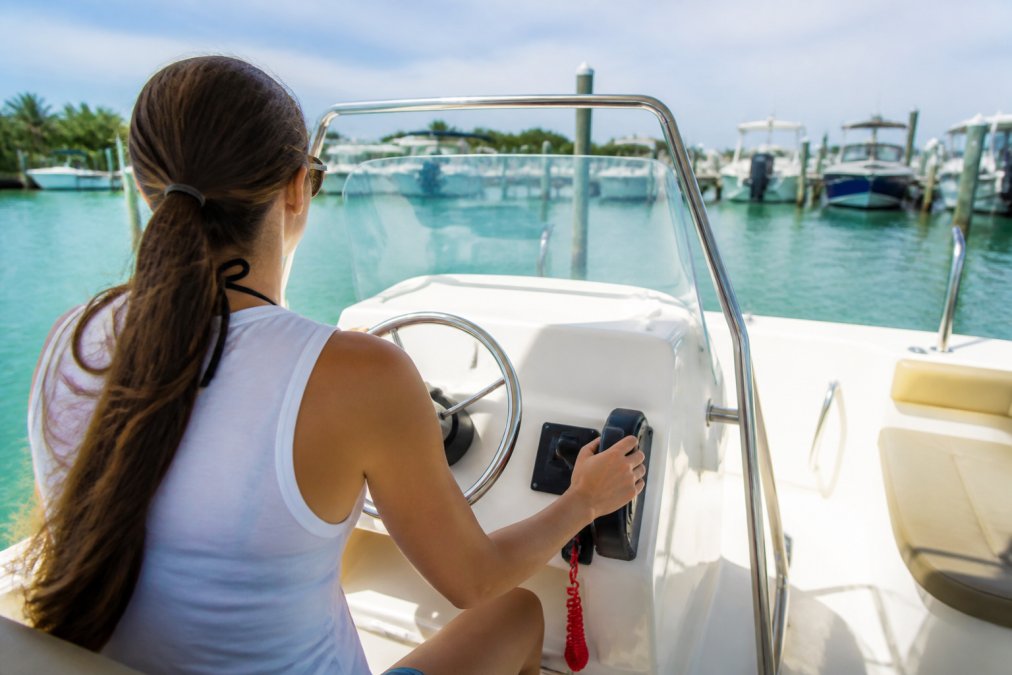
A self-captained boat rental means you operate the vessel yourself, without a hired captain or crew member onboard. This guide from Little Philly Sea Adventures explains how to rent a boat in Anna Maria Island without a captain, covering legal requirements, safety protocols, and the practical steps to get you on the water with confidence. The appeal is obvious: total freedom to set your own itinerary, explore at your own pace, and keep costs down by skipping the captain's fee.
That freedom comes with responsibilities. You take on navigation, docking, and the safety of everyone aboard. The rental company provides a seaworthy vessel and a thorough briefing, but you provide the attention and common sense. Most first-timers find the learning curve manageable, especially on forgiving vessels like pontoons, provided they respect the water and the rules. Below, we walk through exactly what to expect, from the paperwork to the throttle.
Do You Need a License or Boating Safety Course in Florida?
Florida does not require a driver's license or a special license to operate a rental boat, but the rules around boating safety education apply to many renters. Anyone born on or after January 1, 1988, must complete a state-approved boating safety course and carry a Boating Safety Education ID Card while operating a vessel. The course is managed by the Florida Fish and Wildlife Conservation Commission, which outlines the full requirements and approved course providers.
Rental companies typically verify this credential at check-in, so bring your physical or digital card. If you were born before 1988, you are exempt from the education requirement, though taking the course is still smart preparation. Some operators offer a brief onboard orientation that covers local rules in lieu of the full course for those who qualify. Either way, expect to show identification and sign a rental agreement confirming your eligibility before keys change hands.
Step-by-Step Rental Process for First-Time Captains
The rental process follows a predictable sequence designed to get you briefed and on the water efficiently. Expect to spend 30 to 45 minutes at the marina before departure, covering paperwork, vessel orientation, and safety instructions. Arriving early keeps the process relaxed and gives you time to ask questions.
Most operators follow this general flow, which we break down in detail below. Understanding each step before you arrive reduces stress and helps you spot any hidden fees or unclear policies in the rental agreement.
Step 1: Choose Your Vessel: Pontoon, Tritoon, or Powerboat
The vessel you choose shapes your entire day on the water, so match it to your group size and planned activities. Pontoons are the family favorite: stable, spacious, and easy to handle, with room for 8 to 12 people and plenty of seating for sandbar picnics. Tritoons add a third pontoon for a smoother, faster ride, making them a strong pick for groups that want to cover more distance or pull a tube.
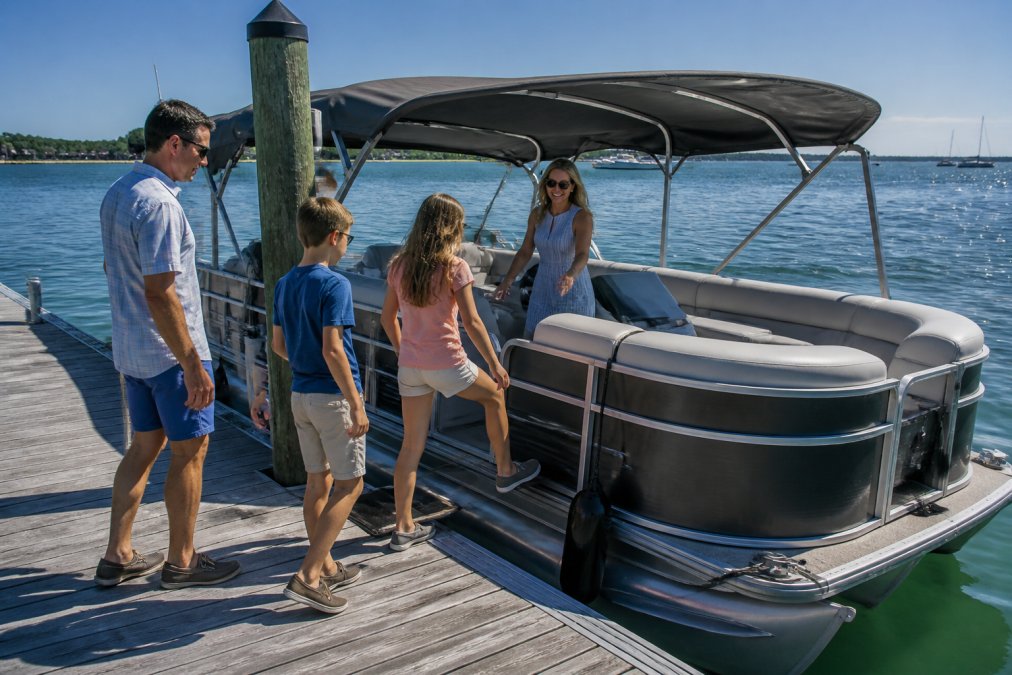
Powerboats and deck boats suit smaller groups or anglers who want speed and maneuverability. They handle tighter turns and get you to fishing spots faster, but they ride rougher in choppy conditions. If you are new to operating a boat, a pontoon is the most forgiving choice. The rental company will confirm your group size and experience level to ensure the vessel matches your comfort zone.
Step 2: Complete the Safety Briefing and Rental Agreement
Before you leave the dock, a staff member walks you through the safety briefing covering life jacket locations, fire extinguisher placement, emergency shut-off procedures, and basic vessel operation. This is not a formality; pay close attention because you are now responsible for everyone aboard. The briefing typically includes a demonstration of starting the engine, shifting gears, and using the anchor.
The rental agreement outlines your responsibilities, the rental period, fuel policy, and damage liability. Read it carefully, especially the sections on fuel surcharges and security deposits. A reputable operator explains every line item upfront, so you know the real total before you commit. Ask about their policy on groundings or propeller damage, as these are common sources of disputes.
Step 3: Review Navigation Rules and Local Waterways
Understanding where you can go and how to navigate safely is the difference between a relaxing day and a stressful one. The rental company provides a map or chart of approved routes, highlighting no-wake zones, shallow areas, and popular destinations like sandbars. The waters around Anna Maria Island include the Gulf of Mexico, Tampa Bay, and the Intracoastal Waterway, each with distinct characteristics.
Manatee zones require slow, careful operation, and you must yield to larger vessels in narrow channels. The U.S. Coast Guard's navigation rules apply to all recreational boaters and cover right-of-way, lighting, and sound signals. If you are unfamiliar with nautical charts or channel markers, ask the rental staff to explain the local system before you depart. Red and green markers indicate channel edges, and staying within them keeps you out of shallow water.
Understanding Anna Maria Island Boat Rental Pricing and Fuel Costs
Anna Maria Island boat rental pricing varies widely based on vessel type, rental duration, and season, but the structure is consistent across most operators. Rentals are typically offered in hourly, half-day, or full-day blocks, with pontoons commanding the highest rates due to their size and passenger capacity. Half-day rentals usually run four hours, while full-day options stretch to eight.
Fuel policy is where many renters get surprised. Some operators charge a flat fuel fee included in the rental price, while others use a "fill it up" policy where you pay for the fuel you consumed based on the gauge at return. The "no surprises" approach means asking directly about fuel surcharges, security deposits, and any additional fees for cleaning or late returns before you sign. A transparent operator will gladly itemize the total cost, including taxes, so you can budget accurately.
What to Bring on a Boat Rental: Essential Gear Checklist
Packing smart makes your rental day comfortable and safe. Sun protection tops the list: reef-safe sunscreen, polarized sunglasses, and hats shield you from the intense Florida sun reflecting off the water. Bring more drinking water than you think you need, plus snacks in a cooler, since dehydration creeps up quickly in the heat.
- Documents: Photo ID, Boating Safety Education ID Card if applicable, and a copy of your rental agreement
- Clothing: Swimsuits, lightweight cover-ups, and non-slip water shoes
- Protection: Reef-safe sunscreen, polarized sunglasses, wide-brim hats
- Extras: Waterproof phone case, dry bag for valuables, towels, and a small first-aid kit
- Food and drink: Plenty of water, snacks, and lunch in a secure cooler
Leave behind glass containers, which are prohibited on many vessels and can shatter on deck. Check the marine forecast before you head out, and remember that afternoon thunderstorms are common in summer months. Most rental companies provide life jackets for all passengers, but if you have young children, confirm that infant and child sizes are available.
Safety Protocols, Insurance, and Emergency Procedures
A well-run rental operation equips you with the knowledge to handle routine situations and genuine emergencies. Before departing, confirm the location of all safety gear and how to use it. The vessel should carry life jackets for every passenger, a throwable flotation device, a fire extinguisher, and a sound-producing device like a horn or whistle.
Your safety briefing should cover what to do if you run aground, encounter rough weather, or experience engine trouble. Most operators provide a 24-hour contact number for assistance. If you see dark clouds building, head back to the marina or seek sheltered water rather than pushing through. Lightning is a real threat on open water, and the Gulf can turn choppy quickly.
Insurance and liability coverage vary by operator, so clarify what the rental agreement covers before you sign. Many policies include damage waivers that cap your financial responsibility, while others hold you liable for the full value of the vessel. Ask whether your personal boat insurance or credit card benefits extend to rental vessels, and consider purchasing the operator's damage waiver for peace of mind. The BoatUS Foundation's guide on rental insurance explains common coverage gaps that catch renters off guard.
Conclusion: Set Sail with Confidence
Renting a boat without a captain in Anna Maria Island opens up a day of independent exploration, from quiet sandbars to prime fishing spots. The preparation work, completing the boating safety course if required, understanding the rental agreement, and reviewing navigation basics, pays off in confidence once you leave the dock. Choose a vessel that matches your group, confirm the full cost including fuel, and pack for sun and water.
At Little Philly Sea Adventures, our commitment to a 'no surprises' policy ensures a transparent and seamless booking process for all our guests, with well-maintained vessels ready for your adventure. Whether you are a first-time captain or a seasoned boater, our team helps you find the right pontoon or powerboat for your day on the Gulf. Book your unforgettable experience today and see why we are a trusted name for boat rentals around Holmes Beach and Anna Maria Island.
Frequently Asked Questions
Do I need a captain's license to rent a boat in Florida?
No, you do not need a captain's license to rent a boat for personal use in Florida. However, you must meet the state's boating safety education requirements. Anyone born on or after January 1, 1988, operating a vessel with 10 horsepower or more must complete a Florida Fish and Wildlife Conservation Commission-approved boating safety course and carry the Boating Safety Education ID card. Rental companies typically verify this at check-in, so complete the course before your trip.
How much does it cost to rent a boat in Anna Maria Island?
Anna Maria Island boat rental pricing varies by vessel type, rental duration, and season. Expect to pay more for a tritoon with a larger engine than a basic pontoon. Rental durations usually include hourly, half-day, and full-day options. Beyond the base rate, ask about fuel surcharges, security deposits, and taxes. Little Philly Sea Adventures' commitment to a 'no surprises' policy ensures a transparent and seamless booking process, so you know the real total before you commit.
Can I rent a boat without prior boating experience?
Yes, many rental companies allow first-timers to rent a boat without a captain. You will need to pass a required safety briefing covering vessel operation, docking, and local waterway rules. Some operators may ask about your experience level and offer a quick orientation before you leave the dock. Start with a pontoon on a calm day, stick to marked channels, and avoid navigating near sandbars or shallow tides until you are comfortable.
What is the difference between a pontoon and a tritoon rental?
A pontoon boat has two cylindrical floats (pontoons) beneath the deck, offering a stable, smooth ride ideal for families and leisurely cruises. A tritoon has three pontoons, providing greater stability in choppy water and allowing for a larger, more powerful engine. This makes tritoons a better choice for groups of eight or those wanting to pull water sports. For calm bay cruising, a pontoon suffices; for open Gulf waters or faster speeds, choose a tritoon.
Ready to take the helm? Get started with Little Philly Sea Adventures and reserve your self-captained boat rental for a day on the water you will not forget.