 ultimate-guide
Private Boat Rental for Large Groups: Complete Planning Guide
Table of Contents
- Understanding Private Boat Rental for Large Groups
- Large Group Boat Rental Capacity Limits and Vessel Selection
- Pricing, Amenities, and What's Included
- How to Safely Anchor a Pontoon Boat
- What to Pack for a Gulf Coast Boat Charter
- Planning Your Group Charter: Booking and Customization
- Weather Contingency Planning and Accessibility
- Conclusion
Last Updated: August 26, 2026
Understanding Private Boat Rental for Large Groups
Renting a private boat for a large group transforms what could be a logistical nightmare into an unforgettable experience on the water. The key difference from shared charters lies in control: your group sets the pace, chooses the destination, and decides what happens during those hours on the water without sharing deck space with strangers or compromising on your itinerary.
Getting it right requires understanding the real constraints: vessel capacity limits, hidden costs, safety protocols, and the logistics of moving eight, ten, or fifteen people onto a boat safely. Little Philly Sea Adventures offers transparent pricing upfront, clear communication about what's included, and support throughout your booking process. For groups exploring the Gulf Coast waters around Holmes Beach and Anna Maria Island, they've handled the complexity of large group coordination so you don't have to.
Large Group Boat Rental Capacity Limits and Vessel Selection
How Guest Capacity Affects Your Choice
The first hard constraint you'll face is guest capacity. Capacity isn't just about headcount; it affects safety protocols, Coast Guard compliance, fuel costs, and how much space each guest actually has to move around.
Most private boat rentals work within two capacity tiers: mid-size vessels (8-15 passengers) and large vessels (15-35 passengers). A mid-size boat typically features a single deck with a covered cabin and modest outdoor space. A large vessel gives you multiple deck levels, more separation between social areas, and room for people to spread out.
Here's what many first-time renters miss: capacity and comfort are not the same thing. A boat rated for twenty people can technically hold twenty, but that means shoulder-to-shoulder conditions. If your group of eighteen wants to actually enjoy themselves, select a vessel rated for twenty-five. The extra capacity translates to breathing room, which matters when people are on the water for four to six hours.
Seasonal variations also matter. During peak months (May through September), larger vessels book quickly. If you're planning a private boat rental for large groups during summer, book four to six weeks in advance or accept a smaller vessel. Winter months offer more flexibility and often lower rates.
Types of Vessels Available for Groups
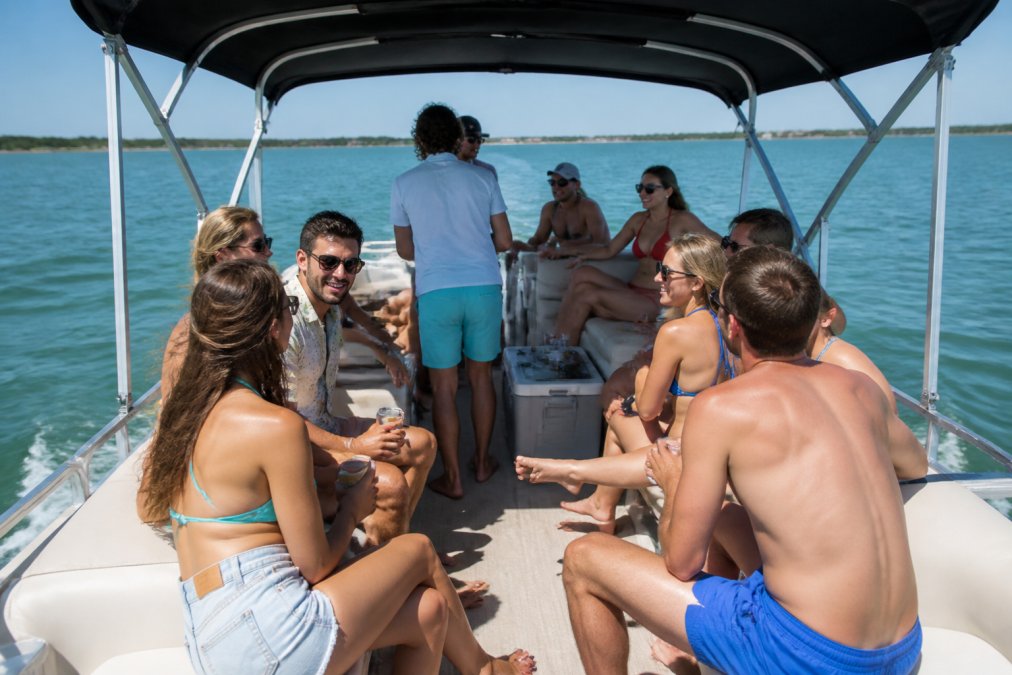
Pontoon boats dominate the large group rental market for good reason. They're stable, spacious, and designed with group entertaining in mind, featuring open-air seating on multiple levels, a built-in bar area, and enough flat deck space for people to move freely.
Cabin cruisers offer a different experience with interior cabins, full kitchens, and climate control. They're ideal for full-day or multi-day charters where your group wants shelter from sun or unexpected weather. The trade-off is higher hourly rates.
Catamaran-style vessels split the difference, offering the stability of a pontoon with the enclosed comfort of a cabin cruiser. For groups concerned about weather or wanting a more upscale experience, catamarans are worth the premium pricing.
The vessel you choose depends on your group's priorities. For a bachelor party focused on music, dancing, and socializing in the open air, a pontoon works perfectly. For a corporate event where some attendees may want quieter conversation space, a cabin cruiser or catamaran makes sense.
Pricing, Amenities, and What's Included
Understanding Hourly Rates and Hidden Costs
Hourly rates for a private boat rental for large groups vary widely based on vessel size, season, and what's included. Rather than guessing, request a detailed quote that breaks down every cost component.
What typically gets bundled into the base hourly rate varies by operator. Some include the captain and crew; others charge separately. Some include fuel; others charge fuel as a separate line item. Some include basic safety equipment and life jackets; others charge for equipment rentals.
The hidden costs that surprise groups most often are fuel surcharges, docking fees, and gratuity. A four-hour charter that starts at an attractive hourly rate can jump significantly higher once fuel is calculated. Docking fees at certain locations add another layer. Gratuity, typically 18-20% of the charter cost, often comes as a surprise to groups who didn't budget for it.
The solution is simple: ask for an all-in quote before committing. Little Philly Sea Adventures operates on transparent pricing, providing a final number upfront that includes everything except optional add-ons like catering or water toys.
Onboard Amenities and Catering Options
What makes a private boat rental for large groups memorable is often what happens beyond the boat itself: the food, drinks, and entertainment options. Some vessels come equipped with a full bar, sound system, and grill. Others are bare-bones, and you bring everything yourself.
Full-service catering through the charter operator is convenient but typically costs more than bringing your own food. BYOB policies vary significantly. Some operators allow anything; others restrict alcohol or require you to purchase beverages through them at premium prices. Clarify this before booking, especially if your group plans to celebrate.
Water toys, jet skis, paddleboards, and snorkeling gear add excitement but also add cost. For a bachelor party or celebration, water toys can justify their cost. For a corporate team-building event, they may be unnecessary.
Match what's available to what your group actually wants. A sunset cruise for couples doesn't need a sound system; a birthday celebration does.
How to Safely Anchor a Pontoon Boat
Anchoring properly is essential when your group wants to stop at a sandbar, shallow reef, or scenic location. The captain handles this, but understanding the basics helps you recognize if something feels off.
The process starts with identifying the right location. The bottom needs to be suitable for anchoring; sand or mud holds an anchor well. Depth matters too, with most anchoring happening in 8-15 feet of water.
The anchor gets lowered slowly while the boat moves backward slightly. Once the anchor hits bottom, the boat continues backing up until the anchor line is at the proper angle, typically 5 to 7 times the water depth. This creates "scope," which allows the anchor to dig in rather than drag.
Once set, the captain checks the anchor hold by looking at landmarks on shore. If those landmarks appear to move relative to the boat, the anchor is dragging and needs to be reset. This check happens every 15-20 minutes during a stop.
For your group, the key signal that anchoring is being done safely is that the captain checks landmarks regularly and makes adjustments without rushing.
What to Pack for a Gulf Coast Boat Charter
Packing for a boat charter differs from packing for a beach day. The water environment presents specific challenges: sun exposure is more intense, wind carries salt spray, and you're farther from quick access to supplies.
Sunscreen is non-negotiable. The sun reflects off water, intensifying UV exposure (the CDC). Bring more sunscreen than you think you'll need, and reapply every two hours or after swimming.
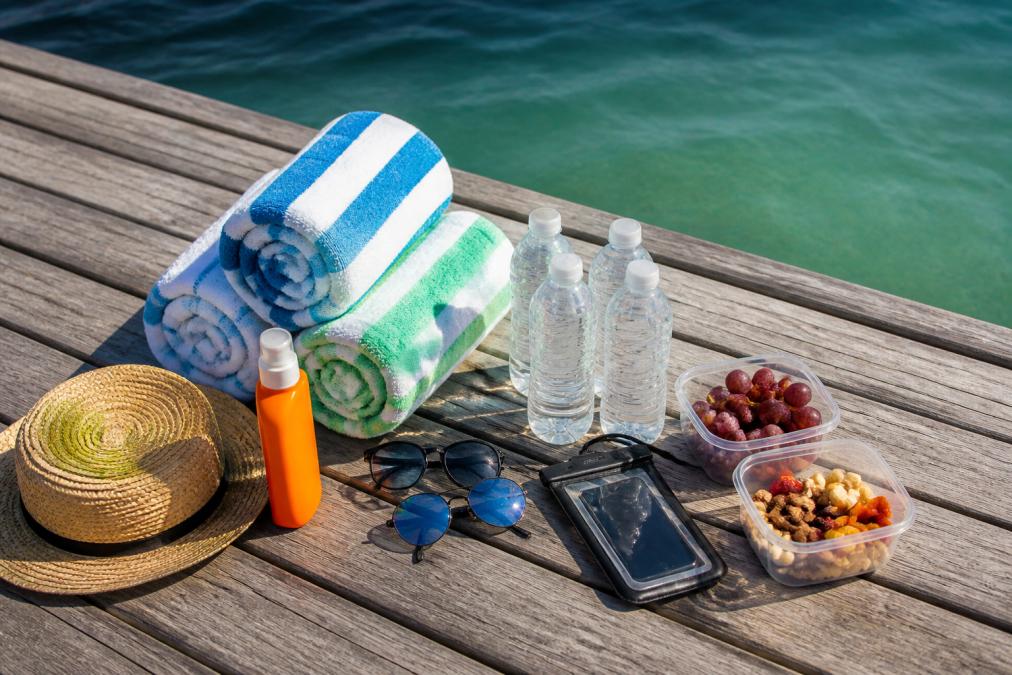
Clothing should be light and quick-drying. Cotton holds moisture and becomes uncomfortable; moisture-wicking fabrics work better. Bring a light jacket or hoodie, as wind on the water creates a chill even on warm days. Footwear should have grip; boat decks can be slippery when wet.
Hydration is critical. Dehydration happens faster on the water because the breeze masks how much you're sweating. Bring more water than your group thinks it needs. Snacks with salt and carbohydrates help maintain energy levels during a full day on the water.
Book your unforgettable experience today! →
A waterproof phone case protects devices from salt spray and accidental dunks. Medications should be in waterproof containers. Seasickness medication, if relevant, should be taken before boarding. Consider bringing entertainment for downtime: cards, board games, or a Bluetooth speaker for music work well if the vessel doesn't have built-in entertainment.
Planning Your Group Charter: Booking and Customization
Event Planning and Itinerary Customization
A private boat rental for large groups succeeds or fails based on planning. Start by defining what your group actually wants. A bachelor party, family reunion, and corporate retreat all require different setups. Be specific with the charter operator about your group's vibe, any special occasions, and must-have experiences.
Customization typically includes choosing your departure time, selecting your route, and deciding on stops along the way. For a private boat rental for large groups, custom itineraries are worth requesting even if they cost slightly more; they ensure your group gets the experience you're paying for.
Payment terms and deposit requirements vary. Many operators require a deposit to secure your date, with the balance due a week or two before your charter. Read cancellation policies carefully, especially if your event depends on weather.
Safety Regulations and Coast Guard Certification
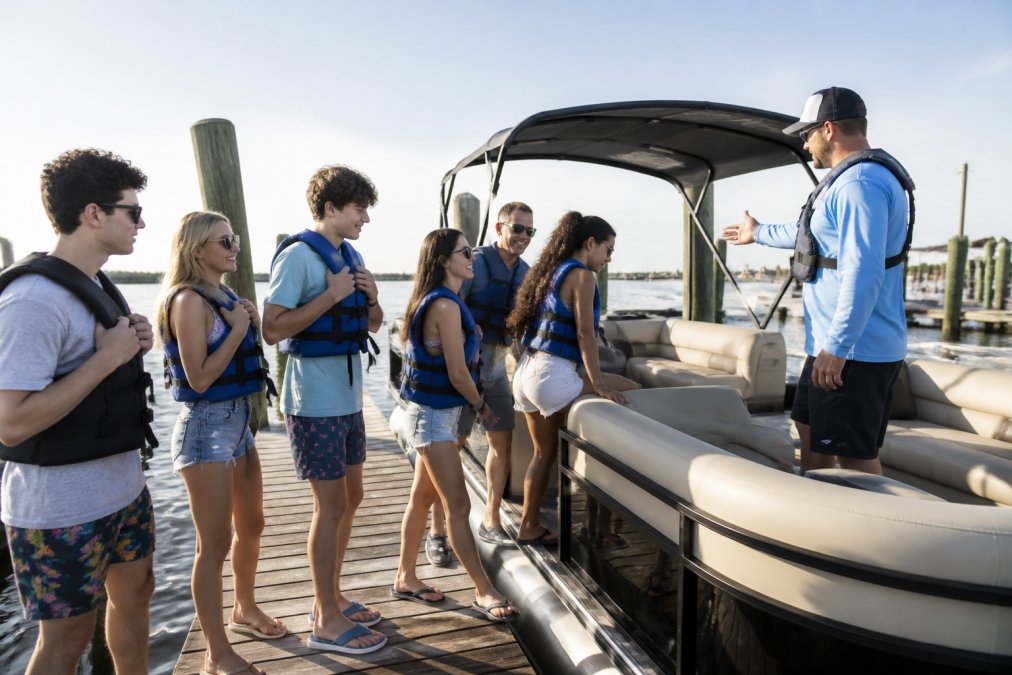
Every vessel operating commercially must be Coast Guard certified and carry proper safety equipment. This isn't optional; it's federal law. The captain and crew must have proper licensing. Safety briefings before departure are required by regulation.
When booking, verify that the operator has current Coast Guard certification for their vessels. Ask about the captain's experience and certifications. A captain with ten years of Gulf Coast experience brings knowledge about local conditions and hazards that matters significantly.
Safety equipment on board includes life jackets for every passenger, fire extinguishers, first aid kits, and communication devices. An operator that meets these requirements without cutting corners is one you can trust.
The "No Surprises" Booking Process
Transparency in booking is rare enough that it deserves emphasis. The best operators lay out every cost, every policy, and every expectation upfront. This means you're not discovering hidden fees on the final invoice or learning about restrictions after you've already committed.
A proper booking process includes a detailed quote showing the base charter cost, fuel charges, taxes, and any add-ons. It includes a written itinerary showing departure time, planned stops, and return time. It includes clear cancellation and refund policies and contact information for the captain or crew.
Questions you should ask before booking: What's the weather contingency plan? What's the damage policy if something gets broken? Are there any restrictions on food, drinks, or activities? What's the gratuity expectation for the captain and crew?
A charter operator confident in their service answers these questions directly and completely.
Weather Contingency Planning and Accessibility
Weather on the Gulf Coast can change quickly. A calm morning can become choppy by afternoon. A solid contingency plan means your group isn't left scrambling if conditions shift.
Before booking, understand the operator's weather policy. What wind speed or wave height triggers a cancellation or reschedule? Do they offer a full refund, a credit toward a future date, or a reschedule guarantee? Prepare a Plan B for your group if your charter gets rescheduled due to weather.
Accessibility for passengers with mobility challenges or disabilities requires advance planning. Not all vessels are equally accessible. Some have steps that are difficult for people with limited mobility. If anyone in your group has accessibility needs, communicate this when booking so the operator can recommend suitable vessels or make accommodations.
For large groups that include elderly passengers or people with mobility limitations, discussing accessibility early prevents booking a vessel that doesn't meet your group's actual needs.
Planning a private boat rental for large groups requires balancing logistics, budget, and experience. Breaking it into clear decisions, capacity, vessel type, pricing, customization, and contingencies, makes it manageable.
Little Philly Sea Adventures handles this complexity for groups exploring the Gulf Coast. Their commitment to transparent pricing, clear communication, and detailed planning removes the uncertainty that makes first-time renters nervous. With proper planning and a reliable operator, your group's time on the water becomes the kind of experience people remember and talk about for years.
=== FAQ ANSWERS (audit these too, same rules) ===
[1] Q: What is the 12-person rule for private boat charters? A: The 12-person rule is a Coast Guard guideline that affects charter licensing and insurance. Vessels carrying more than 12 passengers for hire typically require a captain with a commercial license and stricter safety certifications (uscg.mil). When booking a private boat rental for large groups, confirm your vessel meets all Coast Guard certification requirements for your group size. Your rental operator should provide documentation of their licensing and explain how your group size impacts safety protocols and regulatory compliance.
[2] Q: How do I know there won't be surprise charges added after I book? A: Request a detailed, itemized quote before booking that specifies the base rental rate, fuel charges, taxes, gratuity policies, docking fees, and any equipment rental costs. Reputable operators with a 'no surprises' policy provide this breakdown upfront in writing. Ask about cancellation policies, damage waivers, and deposit requirements in advance. Confirm whether catering, water toys, or entertainment are included or cost extra. Getting everything in writing protects you and eliminates confusion later.
[3] Q: What safety equipment is required on a large group boat rental? A: Federal law requires Coast Guard-approved life jackets for every passenger, fire extinguishers, first aid kits, and emergency signaling equipment (uscg.mil). For large group rentals, the captain must conduct a mandatory safety briefing covering life jacket use, emergency procedures, and passenger manifest requirements. Ask your rental operator to confirm all safety equipment is regularly inspected and certified. Reputable operators provide training for beginners and enforce clear rules about alcohol consumption and passenger conduct to maintain safety standards.
[4] Q: How far in advance should I book a private boat for a large group? A: Book at least 4-6 weeks ahead for large groups, especially during peak season or holidays. Popular vessels fill quickly, and early booking gives you the best selection of boat sizes and departure times. For groups larger than 20 people or those requiring custom catering or entertainment, book 8-12 weeks in advance. Confirm your deposit requirements and cancellation policy when you reserve. Contact your rental operator directly to discuss your specific group needs and ensure they can accommodate your exact requirements.
Frequently Asked Questions
What is the 12-person rule for private boat charters?
The 12-person rule is a Coast Guard guideline that affects charter licensing and insurance. Vessels carrying more than 12 passengers for hire typically require a captain with a commercial license and stricter safety certifications. When booking a private boat rental for large groups, confirm your vessel meets all Coast Guard certification requirements for your group size. Your rental operator should provide documentation of their licensing and explain how your group size impacts safety protocols and regulatory compliance.
How do I know there won't be surprise charges added after I book?
Request a detailed, itemized quote before booking that specifies the base rental rate, fuel charges, taxes, gratuity policies, docking fees, and any equipment rental costs. Reputable operators with a 'no surprises' policy provide this breakdown upfront in writing. Ask about cancellation policies, damage waivers, and deposit requirements in advance. Confirm whether catering, water toys, or entertainment are included or cost extra. Getting everything in writing protects you and eliminates confusion later.
What safety equipment is required on a large group boat rental?
Federal law requires Coast Guard-approved life jackets for every passenger, fire extinguishers, first aid kits, and emergency signaling equipment. For large group rentals, the captain must conduct a mandatory safety briefing covering life jacket use, emergency procedures, and passenger manifest requirements. Ask your rental operator to confirm all safety equipment is regularly inspected and certified. Reputable operators provide training for beginners and enforce clear rules about alcohol consumption and passenger conduct to maintain safety standards.
How far in advance should I book a private boat for a large group?
Book at least 4-6 weeks ahead for large groups, especially during peak season or holidays. Popular vessels fill quickly, and early booking gives you the best selection of boat sizes and departure times. For groups larger than 20 people or those requiring custom catering or entertainment, book 8-12 weeks in advance. Confirm your deposit requirements and cancellation policy when you reserve. Contact your rental operator directly to discuss your specific group needs and ensure they can accommodate your exact requirements.
This article was written using GrandRanker
Frequently Asked Questions
What is the 12-person rule for private boat charters?
The 12-person rule is a Coast Guard guideline that affects charter licensing and insurance. Vessels carrying more than 12 passengers for hire typically require a captain with a commercial license and stricter safety certifications. When booking a private boat rental for large groups, confirm your vessel meets all Coast Guard certification requirements for your group size. Your rental operator should provide documentation of their licensing and explain how your group size impacts safety protocols and regulatory compliance.
How do I know there won't be surprise charges added after I book?
Request a detailed, itemized quote before booking that specifies the base rental rate, fuel charges, taxes, gratuity policies, docking fees, and any equipment rental costs. Reputable operators with a 'no surprises' policy provide this breakdown upfront in writing. Ask about cancellation policies, damage waivers, and deposit requirements in advance. Confirm whether catering, water toys, or entertainment are included or cost extra. Getting everything in writing protects you and eliminates confusion later.
What safety equipment is required on a large group boat rental?
Federal law requires Coast Guard-approved life jackets for every passenger, fire extinguishers, first aid kits, and emergency signaling equipment. For large group rentals, the captain must conduct a mandatory safety briefing covering life jacket use, emergency procedures, and passenger manifest requirements. Ask your rental operator to confirm all safety equipment is regularly inspected and certified. Reputable operators provide training for beginners and enforce clear rules about alcohol consumption and passenger conduct to maintain safety standards.
How far in advance should I book a private boat for a large group?
Book at least 4-6 weeks ahead for large groups, especially during peak season or holidays. Popular vessels fill quickly, and early booking gives you the best selection of boat sizes and departure times. For groups larger than 20 people or those requiring custom catering or entertainment, book 8-12 weeks in advance. Confirm your deposit requirements and cancellation policy when you reserve. Contact your rental operator directly to discuss your specific group needs and ensure they can accommodate your exact requirements.