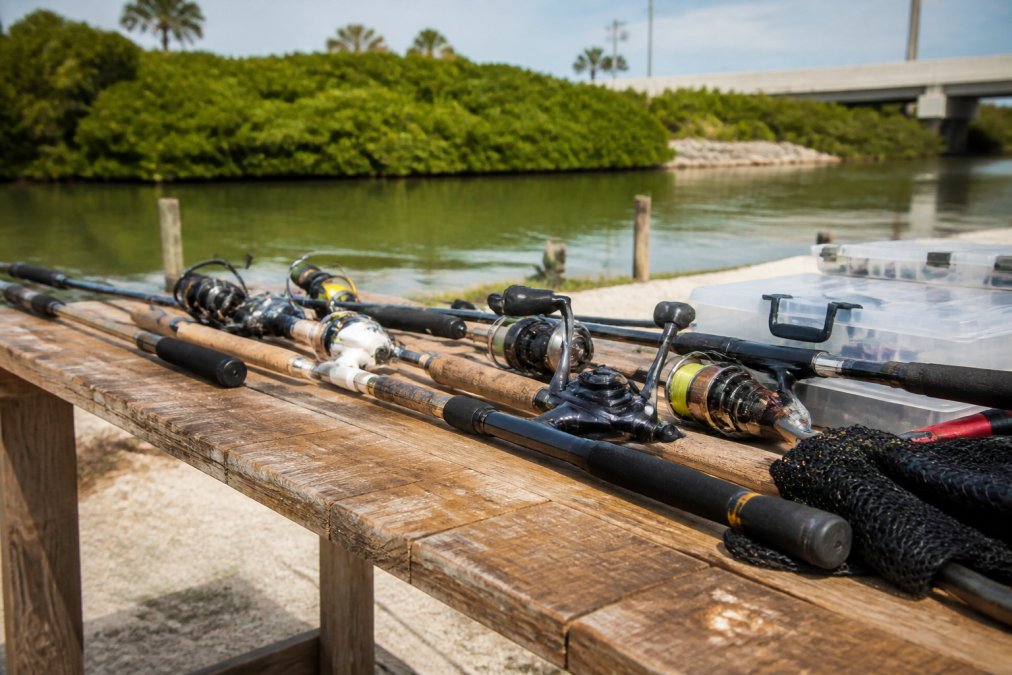
 how-to
Renting Fishing Gear for Boat Trips: What to Know
Table of Contents
- What Renting Fishing Gear for Boat Trips Usually Includes
- Inshore Fishing Tackle Essentials for Gulf Coast Waters
- What to Bring on a Fishing Charter (Beyond the Gear)
- Fishing License Requirements for Boat Trips: What You Need Before You Board
- How to Reserve Gear and What Affects Your Rental Duration and Daily Rate
- Gear Maintenance, Deposits, and Damage Liability: What Renters Should Know
- Frequently Asked Questions
Last Updated: September 15, 2026
What Renting Fishing Gear for Boat Trips Usually Includes
Renting fishing gear for boat trips means the operator supplies the rods, reels, tackle, and safety equipment so you board with nothing but a hat and a good attitude. Most rental packages bundle four things: rod and reel combos, terminal tackle, bait, and required safety gear. What varies is quality and how much freedom you get to swap items mid-trip.
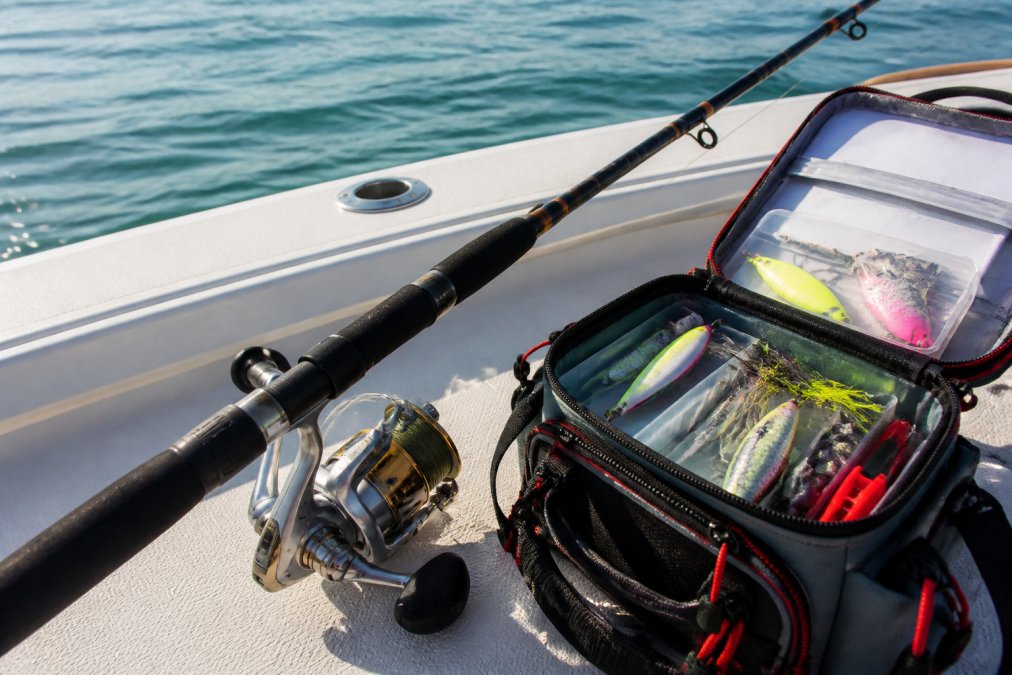
Rod and Reel Setups
Spinning setups dominate rental fleets because they're forgiving for beginners. A typical outfit pairs a medium-action rod with a 2500- to 4000-size reel spooled with 10-20 lb braid or monofilament (Saltwater Rods & Reels). Charter operators usually match the rod weight to the target species: lighter for inshore, heavier for deeper structure. Ask what pound-test line is spooled before you cast; worn line is the most common failure point on rental gear.
Tackle and Bait Packages
Terminal tackle covers the consumables: hooks, weights, swivels, leaders, and jig heads. Bait splits into live and artificial, and this is where packages differ most. Live bait usually costs extra because it has to be sourced the morning of the trip. A good package includes enough terminal tackle to survive snags without an upcharge every time you lose a rig.
Inshore Fishing Tackle Essentials for Gulf Coast Waters
Inshore fishing tackle essentials for Gulf Coast waters come down to light line, weedless presentations, and corrosion-resistant hardware. Inshore means shallow flats, mangroves, and bay structure where redfish, snook, and speckled trout feed. You don't need heavy offshore gear. You need gear that casts accurately and survives salt.
The core inshore kit:
- Medium-light spinning rod, 7 feet, fast action
- Reel with smooth drag and sealed bearings
- 15-20 lb braid main line with a fluorocarbon leader
- Jig heads from 1/8 to 1/2 ounce
- Weedless soft plastics and gold spoons
- Pliers, line cutters, and a landing net
Saltwater destroys unrinsed gear. A freshwater reel used twice in the bay without a rinse will seize within a season. Any rental worth booking should be inspected and rinsed between trips.
What to Bring on a Fishing Charter (Beyond the Gear)
What to bring on a fishing charter is mostly protection and paperwork, not tackle. The operator covers the fishing equipment, so your job is comfort and compliance. Sun exposure on open water is far more intense than on land because reflection off the water multiplies it.
Pack these:
- Polarized sunglasses and a brimmed hat
- Reef-safe sunscreen, applied before boarding
- Non-marking soft-sole shoes
- Rain shell, even on a clear forecast
- Reusable water bottle and snacks
- Any medication you might need, plus motion sickness tablets taken early
- A cooler or bag for your catch, if the operator doesn't supply one
Leave the hard cooler with wheels at the dock unless the boat has space. And bring a soft bag, not a hard-sided tackle box, if you want to carry your own lures.
Fishing License Requirements for Boat Trips: What You Need Before You Board
Fishing license requirements for boat trips depend on who is fishing, where, and whether the vessel is licensed to cover its passengers. In most coastal states, a properly licensed charter vessel covers everyone aboard under its own permit, so individual anglers don't need a separate license. That exemption usually applies only to for-hire vessels, not to a boat you rent and captain yourself.
The details matter, and they change by state and by species. Some states require an additional tag for certain fish, and some require registration even when a license isn't needed. Check the current rules with your state wildlife agency before you board, and confirm with the operator whether the vessel's permit covers you.
The Two-Question Decision Framework
Most renters get this wrong because they ask the wrong question. Ask these two instead:
- Is there a licensed captain aboard? If yes, the vessel's for-hire permit typically covers every angler on board. If no, you need your own license.
- Are you keeping the fish, or releasing everything? Some states require a license even for catch-and-release, and some do not. Do not assume release means no license.
If the answer to question one is no, buy your license before you leave the dock. Buying online through your state wildlife agency's portal is the fastest route, and it takes minutes. Waiting until the marina often means no signal and no license.
Species Tags and Special Permits
A base license is not always enough. Certain species require an additional tag, stamp, or harvest report in many states, common examples include highly regulated reef species and anadromous fish. If your target species needs a tag, the tag is usually tied to the individual angler, not the boat, so the vessel's permit will not cover it.
Ask the operator two specific questions before you book:
- Which species are we realistically targeting on this trip?
- Does any of them require a tag or report separate from the base license?
If the answer is yes, buy the tag yourself. It is tied to your name, and it cannot be transferred from the captain.
Pre-Board Compliance Checklist
Run this the night before, not at the ramp:
- License purchased and saved to your phone (screenshot it, cell service on the water is unreliable)
- Any species tag or harvest report confirmed and purchased
- Operator confirmed in writing that the vessel's permit covers all anglers aboard
- Photo ID packed, since some states require it alongside the license
- If you are renting a boat without a captain, your own license is on you, this is the single most common mistake first-time renters make, and it is an expensive one at the ramp
state fishing license and permit rules
How to Reserve Gear and What Affects Your Rental Duration and Daily Rate
Reserving gear online takes minutes when the operator lists what's included, and it prevents the worst outcome: showing up to a boat with no rods. Book the same time you book the boat, not the morning of the trip, because popular dates sell out and gear gets allocated by reservation order.
The reservation itself usually runs through four steps:
- Pick the trip date and duration (half-day, three-quarter, or full-day).
- Choose a gear tier, standard, mid-range, or premium, and confirm rod weight matches your target species.
- Add-ons: live bait, extra terminal tackle, a second rod, or a cooler for the catch.
- Pay the deposit and receive a written confirmation listing every item, the deposit amount, and the cancellation window.
Get that confirmation in writing.
What drives the daily rate:
| Factor | Effect on Rate | Why It Matters |
|---|---|---|
| Rental duration | Half-day vs. full-day pricing | Full-day trips spread the cost over more fishing time |
| Group size | Per-person vs. flat boat rate | Larger groups often pay less per angler |
| Gear tier | Standard vs. high-end equipment | Premium rods and reels cost more to insure and replace |
| Bait type | Live vs. artificial | Live bait adds sourcing cost |
| Season | Peak vs. off-season dates | Demand sets the ceiling |
Cancellation, Deposit Holds, and Weather
Ask three questions before you pay:
Getting Rented Gear to the Boat Safely
consumer guidance on rental agreements and deposits
Gear Maintenance, Deposits, and Damage Liability: What Renters Should Know
Frequently Asked Questions
Do fishing charters provide all the necessary gear?
Most fishing charters include rods, reels, terminal tackle, and bait in the trip price. When renting fishing gear for boat trips, confirm what the outfitter supplies so you do not double up or leave essentials at home. Some charters offer premium rods or specialized tackle for an added fee. Ask about the rod and reel setup, tackle bag contents, and whether bait is included before you book.
Do I need a fishing license if I rent gear for a boat trip?
License requirements depend on whether you are on a charter boat or a private rental. In Florida, anglers fishing from a licensed charter vessel are typically covered by the captain's permit. If you rent a boat and fish independently, you need your own license. Check the state wildlife agency rules before your trip. Ask the outfitter directly about fishing license requirements for boat trips so there are no surprises.
Is it better to rent fishing gear or bring my own for a Gulf Coast charter?
Renting makes sense if you are traveling light, new to the area, or do not want to transport rods through airports. Charter captains know local waters and supply tackle matched to the species and season. If you own high-end equipment and are targeting specific fish, bringing your own rod and reel setup gives you familiarity. Many anglers do a mix: bring a favorite rod and rent the rest.
How do I ensure the rented fishing gear is high-quality?
Ask the outfitter what brands and rod weights they stock, whether reels are serviced regularly, and if backup rods are on board. A reputable operator inspects gear before every trip. Read recent reviews that mention equipment condition. When renting fishing gear for boat trips, a quick pre-trip question about equipment inspection and maintenance saves frustration on the water.
Boat trips reward preparation, and the gap between a great day on the water and a frustrating one usually comes down to gear you didn't confirm before boarding. Little Philly Sea Adventures builds every trip around a no surprises policy, with complete rod and reel setups, tackle and bait packages, and safety gear included so you focus on fishing instead of logistics. Book your unforgettable experience today and let our team handle the equipment while you handle the catch.